Compare commits
234 Commits
0.9.0
...
dependabot
| Author | SHA1 | Date | |
|---|---|---|---|

|
bb30c1337c | ||
|
|
07f85152b5 | ||
|
|
cbac0064df | ||
|
|
58b4dd0290 | ||
|
|
e3ce6eb0a6 | ||
|
|
98c611ade9 | ||
|
|
95b02b5920 | ||
|
|
bd642464f2 | ||
|
|
5671a92e17 | ||
|
|
ad6323994f | ||
|
|
2361256107 | ||
|
|
e7b8136dea | ||
|
|
ccf5ae22c6 | ||
|
|
4e98b183f3 | ||
|
|
5b4f4a0fcd | ||
|
|
6f3eae808f | ||
|
|
ffcb3f58df | ||
|
|
b673c8d82a | ||
|
|
63308c7f49 | ||
|
|
b07b074223 | ||
|
|
e005409ac4 | ||
|
|
969bc454b6 | ||
|
|
e6ac868826 | ||
|
|
76a51dccf6 | ||
|
|
a1b9054479 | ||
|
|
2ea3823ae5 | ||
|
|
02d6beff23 | ||
|
|
2f07e43da0 | ||
|
|
654e80c494 | ||
|
|
877e69dc94 | ||
|
|
44ee4b5e3a | ||
|
|
05104beefc | ||
|
|
c3c3d5ec98 | ||
|
|
a2362ec4dd | ||
|
|
449405e3ba | ||
|
|
9b0b63465a | ||
|
|
6848e5440b | ||
|
|
c0539265ca | ||
|
|
b368ff9004 | ||
|
|
ad9f1c0783 | ||
|
|
314ef64e2e | ||
|
|
d4e1b1856b | ||
|
|
0fbc6210a8 | ||
|
|
7d3a6e3733 | ||
|
|
1f904cfa8c | ||
|
|
6174ae7539 | ||
|
|
193a3ed4f2 | ||
|
|
1c82c2861f | ||
|
|
e529ad95bc | ||
|
|
f4702f45fb | ||
|
|
a2a2b1382c | ||
|
|
a0ccd43e8f | ||
|
|
71b7f6f0ce | ||
|
|
cf69fb7f1e | ||
|
|
1d990e7f52 | ||
|
|
cdcf917044 | ||
|
|
691acc186b | ||
|
|
3573841522 | ||
|
|
879918429e | ||
|
|
4ccb3c9be6 | ||
|
|
128bd5af6f | ||
|
|
dfb101fb18 | ||
|
|
9c9f24a2f2 | ||
|
|
bfd4d8506f | ||
|
|
677bf794aa | ||
|
|
c218bb1084 | ||
|
|
ff3ed47d12 | ||
|
|
4225f7f4ad | ||
|
|
a63f64051b | ||
|
|
bf21647c4b | ||
|
|
818e5f2d62 | ||
|
|
c65c6b94e5 | ||
|
|
0ca1f6b241 | ||
|
|
48de4e4a3c | ||
|
|
b139c60a60 | ||
|
|
05f23436ac | ||
|
|
7012193220 | ||
|
|
7f3defff7c | ||
|
|
969cce532d | ||
|
|
c2804c4917 | ||
|
|
56beb35c36 | ||
|
|
98bf17aa58 | ||
|
|
716f05d953 | ||
|
|
fb28aa9d61 | ||
|
|
efe447fb5f | ||
|
|
9656a2cf33 | ||
|
|
9b63ad1837 | ||
|
|
765f22126e | ||
|
|
d4a8cc963e | ||
|
|
b7f5a725cd | ||
|
|
5bf5e093bb | ||
|
|
719fe02df5 | ||
|
|
f18bcc708a | ||
|
|
95c2b86bcd | ||
|
|
b03a2e6fb3 | ||
|
|
1c39a9ce47 | ||
|
|
8c8b2bb35c | ||
|
|
a2e773124f | ||
|
|
2f8ec9027b | ||
|
|
ab9a41df6a | ||
|
|
2b1e7d9907 | ||
|
|
d0360218fd | ||
|
|
e9fd3072a9 | ||
|
|
1aedfb0e2e | ||
|
|
e6ae9d0288 | ||
|
|
62ce443f8b | ||
|
|
2b8bf9cc44 | ||
|
|
42d859534a | ||
|
|
f959951185 | ||
|
|
e1c8704444 | ||
|
|
8a4cfa5e3c | ||
|
|
51d105afad | ||
|
|
15192f19e0 | ||
|
|
5712e57869 | ||
|
|
9571d06df5 | ||
|
|
3b25e114e9 | ||
|
|
f7ae3fd591 | ||
|
|
ce02d2da3c | ||
|
|
bd346a0fc1 | ||
|
|
ed8243e17e | ||
|
|
02c99a7b64 | ||
|
|
96514793e4 | ||
|
|
ec8cc3a0ba | ||
|
|
e3c8ab0ca2 | ||
|
|
fefb32b04d | ||
|
|
b5a7c032ab | ||
|
|
6af24f5f44 | ||
|
|
b4a197f87f | ||
|
|
15b6fee933 | ||
|
|
9e03576c94 | ||
|
|
bfa48c5a2c | ||
|
|
890fd9c7fb | ||
|
|
42a9651950 | ||
|
|
ff01910f6a | ||
|
|
9cdb04edcb | ||
|
|
f546d4633b | ||
|
|
db07028aa0 | ||
|
|
d44ab40729 | ||
|
|
0d409f54f5 | ||
|
|
708df1c07a | ||
|
|
10186a4202 | ||
|
|
3cd2dceace | ||
|
|
376c3deab3 | ||
|
|
45d3588bb6 | ||
|
|
15e8d77a49 | ||
|
|
4d84f262ae | ||
|
|
db64ce632c | ||
|
|
956d7501ec | ||
|
|
a758a9df7a | ||
|
|
5eea25882c | ||
|
|
e954cd9fae | ||
|
|
03d79be02c | ||
|
|
7f17d2ce57 | ||
|
|
30fba11f36 | ||
|
|
d474a6a689 | ||
|
|
83d398d9d5 | ||
|
|
3929742d9c | ||
|
|
70abd78e55 | ||
|
|
dbea74b626 | ||
|
|
c6102aeb14 | ||
|
|
10c9c1ae5d | ||
|
|
9e600c6e13 | ||
|
|
9b8a8afa97 | ||
|
|
39ac97a7e0 | ||
|
|
a5cb5a709f | ||
|
|
02064c76ed | ||
|
|
d713732807 | ||
|
|
b92391d177 | ||
|
|
4964ae261f | ||
|
|
ad847299c4 | ||
|
|
7ce099c3d0 | ||
|
|
9c7db48362 | ||
|
|
88f15cba35 | ||
|
|
d852042ccb | ||
|
|
5bd2e8a423 | ||
|
|
c27256c00a | ||
|
|
010206298e | ||
|
|
678ec31229 | ||
|
|
23d52703fd | ||
|
|
45b70c952f | ||
|
|
9f2c353e86 | ||
|
|
cfe142b285 | ||
|
|
19a25fd895 | ||
|
|
8dcb97c05a | ||
|
|
b49af327cf | ||
|
|
38ab3a49c1 | ||
|
|
9f901e34ae | ||
|
|
f050a6b0de | ||
|
|
e33f3e1c85 | ||
|
|
02ff95acde | ||
|
|
2436239964 | ||
|
|
18a0030354 | ||
|
|
ee726eece2 | ||
|
|
1cd9ba69d1 | ||
|
|
30a1cd399a | ||
|
|
0524e7f3e9 | ||
|
|
14cd912df7 | ||
|
|
f087311f7c | ||
|
|
61d1fc2678 | ||
|
|
6b2566c01f | ||
|
|
31ea3bce41 | ||
|
|
2d60ea6c8d | ||
|
|
56994a522d | ||
|
|
aa90a9d052 | ||
|
|
32e0aa8ca3 | ||
|
|
e052b005ec | ||
|
|
2f18ac90f9 | ||
|
|
612f93c129 | ||
|
|
c0826c9a31 | ||
|
|
7e2de8f588 | ||
|
|
5aaa7a6634 | ||
|
|
f7feecc751 | ||
|
|
cfe1624730 | ||
|
|
95d7eb977f | ||
|
|
794380fc03 | ||
|
|
5a05620257 | ||
|
|
bebe884615 | ||
|
|
10c03880c7 | ||
|
|
3fcdfc8f83 | ||
|
|
914553ddf5 | ||
|
|
b4fe0b954c | ||
|
|
7557ee6794 | ||
|
|
382c5e7da9 | ||
|
|
6286dadc27 | ||
|
|
81f8e34846 | ||
|
|
79717926a5 | ||
|
|
5084428c9d | ||
|
|
82295aa4aa | ||
|
|
70488fc14a | ||
|
|
ccd8ba66b2 | ||
|
|
093763909f | ||
|
|
bd2b65d068 | ||
|
|
f6e37be73c | ||
|
|
71bd15a4d6 |
13
.editorconfig
Normal file
@@ -0,0 +1,13 @@
|
||||
root = true
|
||||
|
||||
[*]
|
||||
indent_style = space
|
||||
indent_size = 4
|
||||
insert_final_newline = true
|
||||
trim_trailing_whitespace = true
|
||||
end_of_line = lf
|
||||
charset = utf-8
|
||||
max_line_length = 88
|
||||
|
||||
[*.{css,html,js,json,jsx,scss,ts,tsx,yaml,yml}]
|
||||
indent_size = 2
|
||||
29
.github/ISSUE_TEMPLATE/bug-report.md
vendored
Normal file
@@ -0,0 +1,29 @@
|
||||
---
|
||||
name: Bug report
|
||||
about: Report a bug in Flask-DebugToolbar (not other projects which depend on Flask-DebugToolbar)
|
||||
---
|
||||
|
||||
<!--
|
||||
This issue tracker is a tool to address bugs in Flask-DebugToolbar itself.
|
||||
Please use GitHub Discussions or the Pallets Discord for questions about your
|
||||
own code.
|
||||
|
||||
Replace this comment with a clear outline of what the bug is.
|
||||
-->
|
||||
|
||||
<!--
|
||||
Describe how to replicate the bug.
|
||||
|
||||
Include a minimal reproducible example that demonstrates the bug.
|
||||
Include the full traceback if there was an exception.
|
||||
-->
|
||||
|
||||
<!--
|
||||
Describe the expected behavior that should have happened but didn't.
|
||||
-->
|
||||
|
||||
Environment:
|
||||
|
||||
- Python version:
|
||||
- Flask-DebugToolbar version:
|
||||
- Flask version:
|
||||
8
.github/ISSUE_TEMPLATE/config.yml
vendored
Normal file
@@ -0,0 +1,8 @@
|
||||
blank_issues_enabled: false
|
||||
contact_links:
|
||||
- name: Questions on Discussions
|
||||
url: https://github.com/pallets-eco/flask-debugtoolbar/discussions/
|
||||
about: Ask questions about your own code on the Discussions tab.
|
||||
- name: Questions on Chat
|
||||
url: https://discord.gg/pallets
|
||||
about: Ask questions about your own code on our Discord chat.
|
||||
15
.github/ISSUE_TEMPLATE/feature-request.md
vendored
Normal file
@@ -0,0 +1,15 @@
|
||||
---
|
||||
name: Feature request
|
||||
about: Suggest a new feature for Flask-DebugToolbar
|
||||
---
|
||||
|
||||
<!--
|
||||
Replace this comment with a description of what the feature should do.
|
||||
Include details such as links to relevant specs or previous discussions.
|
||||
-->
|
||||
|
||||
<!--
|
||||
Replace this comment with an example of the problem which this feature
|
||||
would resolve. Is this problem solvable without changes to Flask-DebugToolbar,
|
||||
such as by subclassing or using an extension?
|
||||
-->
|
||||
18
.github/dependabot.yml
vendored
Normal file
@@ -0,0 +1,18 @@
|
||||
version: 2
|
||||
updates:
|
||||
- package-ecosystem: github-actions
|
||||
directory: /
|
||||
schedule:
|
||||
interval: monthly
|
||||
groups:
|
||||
github-actions:
|
||||
patterns:
|
||||
- '*'
|
||||
- package-ecosystem: pip
|
||||
directory: /requirements/
|
||||
schedule:
|
||||
interval: monthly
|
||||
groups:
|
||||
python-requirements:
|
||||
patterns:
|
||||
- '*'
|
||||
25
.github/pull_request_template.md
vendored
Normal file
@@ -0,0 +1,25 @@
|
||||
<!--
|
||||
Before opening a PR, open a ticket describing the issue or feature the
|
||||
PR will address. An issue is not required for fixing typos in
|
||||
documentation, or other simple non-code changes.
|
||||
|
||||
Replace this comment with a description of the change. Describe how it
|
||||
addresses the linked ticket.
|
||||
-->
|
||||
|
||||
<!--
|
||||
Link to relevant issues or previous PRs, one per line. Use "fixes" to
|
||||
automatically close an issue.
|
||||
|
||||
fixes #<issue number>
|
||||
-->
|
||||
|
||||
<!--
|
||||
Ensure each step in the contributing guide is complete, especially the following:
|
||||
|
||||
- Add tests that demonstrate the correct behavior of the change. Tests
|
||||
should fail without the change.
|
||||
- Add or update relevant docs, in the docs folder and in code.
|
||||
- Add an entry in CHANGES.rst summarizing the change and linking to the issue.
|
||||
- Add `.. versionchanged::` entries in any relevant code docs.
|
||||
-->
|
||||
23
.github/workflows/lock.yaml
vendored
Normal file
@@ -0,0 +1,23 @@
|
||||
name: Lock inactive closed issues
|
||||
# Lock closed issues that have not received any further activity for two weeks.
|
||||
# This does not close open issues, only humans may do that. It is easier to
|
||||
# respond to new issues with fresh examples rather than continuing discussions
|
||||
# on old issues.
|
||||
|
||||
on:
|
||||
schedule:
|
||||
- cron: '0 0 * * *'
|
||||
permissions:
|
||||
issues: write
|
||||
pull-requests: write
|
||||
concurrency:
|
||||
group: lock
|
||||
jobs:
|
||||
lock:
|
||||
runs-on: ubuntu-latest
|
||||
steps:
|
||||
- uses: dessant/lock-threads@1bf7ec25051fe7c00bdd17e6a7cf3d7bfb7dc771 # v5.0.1
|
||||
with:
|
||||
issue-inactive-days: 14
|
||||
pr-inactive-days: 14
|
||||
discussion-inactive-days: 14
|
||||
73
.github/workflows/publish.yaml
vendored
Normal file
@@ -0,0 +1,73 @@
|
||||
name: Publish
|
||||
on:
|
||||
push:
|
||||
tags:
|
||||
- '*'
|
||||
jobs:
|
||||
build:
|
||||
runs-on: ubuntu-latest
|
||||
outputs:
|
||||
hash: ${{ steps.hash.outputs.hash }}
|
||||
steps:
|
||||
- uses: actions/checkout@11bd71901bbe5b1630ceea73d27597364c9af683 # v4.2.2
|
||||
- uses: actions/setup-python@0b93645e9fea7318ecaed2b359559ac225c90a2b # v5.3.0
|
||||
with:
|
||||
python-version: '3.x'
|
||||
cache: pip
|
||||
cache-dependency-path: requirements*/*.txt
|
||||
- run: pip install -r requirements/build.txt
|
||||
# Use the commit date instead of the current date during the build.
|
||||
- run: echo "SOURCE_DATE_EPOCH=$(git log -1 --pretty=%ct)" >> $GITHUB_ENV
|
||||
- run: python -m build
|
||||
# Generate hashes used for provenance.
|
||||
- name: generate hash
|
||||
id: hash
|
||||
run: cd dist && echo "hash=$(sha256sum * | base64 -w0)" >> $GITHUB_OUTPUT
|
||||
- uses: actions/upload-artifact@b4b15b8c7c6ac21ea08fcf65892d2ee8f75cf882 # v4.4.3
|
||||
with:
|
||||
path: ./dist
|
||||
provenance:
|
||||
needs: [build]
|
||||
permissions:
|
||||
actions: read
|
||||
id-token: write
|
||||
contents: write
|
||||
# Can't pin with hash due to how this workflow works.
|
||||
uses: slsa-framework/slsa-github-generator/.github/workflows/generator_generic_slsa3.yml@v2.0.0
|
||||
with:
|
||||
base64-subjects: ${{ needs.build.outputs.hash }}
|
||||
create-release:
|
||||
# Upload the sdist, wheels, and provenance to a GitHub release. They remain
|
||||
# available as build artifacts for a while as well.
|
||||
needs: [provenance]
|
||||
runs-on: ubuntu-latest
|
||||
permissions:
|
||||
contents: write
|
||||
steps:
|
||||
- uses: actions/download-artifact@fa0a91b85d4f404e444e00e005971372dc801d16 # v4.1.8
|
||||
- name: create release
|
||||
run: >
|
||||
gh release create --draft --repo ${{ github.repository }}
|
||||
${{ github.ref_name }}
|
||||
*.intoto.jsonl/* artifact/*
|
||||
env:
|
||||
GH_TOKEN: ${{ github.token }}
|
||||
publish-pypi:
|
||||
needs: [provenance]
|
||||
# Wait for approval before attempting to upload to PyPI. This allows reviewing the
|
||||
# files in the draft release.
|
||||
environment:
|
||||
name: publish
|
||||
url: https://pypi.org/project/Flask-DebugToolbar/${{ github.ref_name }}
|
||||
runs-on: ubuntu-latest
|
||||
permissions:
|
||||
id-token: write
|
||||
steps:
|
||||
- uses: actions/download-artifact@fa0a91b85d4f404e444e00e005971372dc801d16 # v4.1.8
|
||||
- uses: pypa/gh-action-pypi-publish@15c56dba361d8335944d31a2ecd17d700fc7bcbc # v1.12.2
|
||||
with:
|
||||
repository-url: https://test.pypi.org/legacy/
|
||||
packages-dir: artifact/
|
||||
- uses: pypa/gh-action-pypi-publish@15c56dba361d8335944d31a2ecd17d700fc7bcbc # v1.12.2
|
||||
with:
|
||||
packages-dir: artifact/
|
||||
55
.github/workflows/tests.yaml
vendored
Normal file
@@ -0,0 +1,55 @@
|
||||
name: Tests
|
||||
on:
|
||||
push:
|
||||
branches:
|
||||
- main
|
||||
- '*.x'
|
||||
paths-ignore:
|
||||
- 'docs/**'
|
||||
- '*.md'
|
||||
- '*.rst'
|
||||
pull_request:
|
||||
paths-ignore:
|
||||
- 'docs/**'
|
||||
- '*.md'
|
||||
- '*.rst'
|
||||
jobs:
|
||||
tests:
|
||||
name: ${{ matrix.name || matrix.python }}
|
||||
runs-on: ${{ matrix.os || 'ubuntu-latest' }}
|
||||
strategy:
|
||||
fail-fast: false
|
||||
matrix:
|
||||
include:
|
||||
- {python: '3.12'}
|
||||
- {python: '3.11'}
|
||||
- {python: '3.10'}
|
||||
- {python: '3.9'}
|
||||
- {python: '3.8'}
|
||||
- {name: Minimal, python: '3.12', tox: minimal}
|
||||
steps:
|
||||
- uses: actions/checkout@11bd71901bbe5b1630ceea73d27597364c9af683 # v4.2.2
|
||||
- uses: actions/setup-python@0b93645e9fea7318ecaed2b359559ac225c90a2b # v5.3.0
|
||||
with:
|
||||
python-version: ${{ matrix.python }}
|
||||
allow-prereleases: true
|
||||
cache: pip
|
||||
cache-dependency-path: requirements*/*.txt
|
||||
- run: pip install tox
|
||||
- run: tox run -e ${{ matrix.tox || format('py{0}', matrix.python) }}
|
||||
typing:
|
||||
runs-on: ubuntu-latest
|
||||
steps:
|
||||
- uses: actions/checkout@11bd71901bbe5b1630ceea73d27597364c9af683 # v4.2.2
|
||||
- uses: actions/setup-python@0b93645e9fea7318ecaed2b359559ac225c90a2b # v5.3.0
|
||||
with:
|
||||
python-version: '3.x'
|
||||
cache: pip
|
||||
cache-dependency-path: requirements*/*.txt
|
||||
- name: cache mypy
|
||||
uses: actions/cache@6849a6489940f00c2f30c0fb92c6274307ccb58a # v4.1.2
|
||||
with:
|
||||
path: ./.mypy_cache
|
||||
key: mypy|${{ hashFiles('pyproject.toml') }}
|
||||
- run: pip install tox
|
||||
- run: tox run -e typing
|
||||
14
.gitignore
vendored
@@ -1,6 +1,10 @@
|
||||
*.egg-info
|
||||
*.pyc
|
||||
build/
|
||||
.idea/
|
||||
.vscode/
|
||||
.venv*/
|
||||
venv*/
|
||||
__pycache__/
|
||||
dist/
|
||||
docs/_build
|
||||
.tox
|
||||
.coverage*
|
||||
htmlcov/
|
||||
.tox/
|
||||
docs/_build/
|
||||
|
||||
3
.gitmodules
vendored
@@ -1,3 +0,0 @@
|
||||
[submodule "docs/_themes"]
|
||||
path = docs/_themes
|
||||
url = git://github.com/mitsuhiko/flask-sphinx-themes.git
|
||||
21
.pre-commit-config.yaml
Normal file
@@ -0,0 +1,21 @@
|
||||
ci:
|
||||
autoupdate_schedule: monthly
|
||||
repos:
|
||||
- repo: https://github.com/astral-sh/ruff-pre-commit
|
||||
rev: v0.6.3
|
||||
hooks:
|
||||
- id: ruff
|
||||
- id: ruff-format
|
||||
- repo: https://github.com/pre-commit/pre-commit-hooks
|
||||
rev: v4.6.0
|
||||
hooks:
|
||||
- id: check-merge-conflict
|
||||
exclude: "(codemirror|jquery)"
|
||||
- id: debug-statements
|
||||
exclude: "(codemirror|jquery)"
|
||||
- id: fix-byte-order-marker
|
||||
exclude: "(codemirror|jquery)"
|
||||
- id: trailing-whitespace
|
||||
exclude: "(codemirror|jquery)"
|
||||
- id: end-of-file-fixer
|
||||
exclude: "(codemirror|jquery)"
|
||||
13
.readthedocs.yaml
Normal file
@@ -0,0 +1,13 @@
|
||||
version: 2
|
||||
build:
|
||||
os: ubuntu-22.04
|
||||
tools:
|
||||
python: '3.12'
|
||||
python:
|
||||
install:
|
||||
- requirements: requirements/docs.txt
|
||||
- method: pip
|
||||
path: .
|
||||
sphinx:
|
||||
builder: dirhtml
|
||||
fail_on_warning: true
|
||||
@@ -1,9 +0,0 @@
|
||||
language: python
|
||||
python: "2.7"
|
||||
env:
|
||||
- TOXENV=py26
|
||||
- TOXENV=py27
|
||||
- TOXENV=py33
|
||||
install:
|
||||
- pip install tox --use-mirrors
|
||||
script: tox
|
||||
111
CHANGES.rst
@@ -1,111 +0,0 @@
|
||||
Changes
|
||||
=======
|
||||
|
||||
0.9.0 (2014-01-03)
|
||||
--------
|
||||
|
||||
Enhancements:
|
||||
|
||||
- Python 3 compatibility (#54, thanks justinmayer and jmagnusson)
|
||||
- Support .init_app() (#38)
|
||||
- New "Config" panel displaying Flask config values (#51, thanks Alexey Diyan)
|
||||
- Better PEP8-style formatting (#63, thanks Ivan Ivaschenko)
|
||||
|
||||
Fixes:
|
||||
|
||||
- Fix template editor with non-ASCII templates (#46)
|
||||
|
||||
|
||||
0.8 (2013-02-21)
|
||||
----------------
|
||||
|
||||
Enhancements:
|
||||
|
||||
- Use `itsdangerous <http://pythonhosted.org/itsdangerous/>`_ to sign SQL queries
|
||||
- Expose the jQuery object as ``fldt.$`` so extensions can use the toolbar's
|
||||
copy of jQuery (#42)
|
||||
|
||||
Fixes:
|
||||
|
||||
- Don't intercept redirects on XHR requests (#41)
|
||||
- Fix SQL query time display as milliseconds (#36)
|
||||
- Fix ``functools.partial`` error (#35)
|
||||
- Fix werkzeug request logging with logging panel (#33)
|
||||
- Fix SQL panel unicode encoding error (#31)
|
||||
|
||||
|
||||
0.7.1 (2012-05-18)
|
||||
------------------
|
||||
|
||||
Fixes:
|
||||
|
||||
- loading template editor in-place over current page
|
||||
|
||||
|
||||
0.7 (2012-05-18)
|
||||
----------------
|
||||
|
||||
Enhancements:
|
||||
|
||||
- Add an in-browser template editor to the template panel
|
||||
- ``DEBUG_TB_PROFILER_ENABLED`` config option to enable the profiler on all
|
||||
requests (normally it is user-enabled by clicking the checkmark)
|
||||
|
||||
|
||||
0.6.3.1 (2012-04-16)
|
||||
--------------------
|
||||
|
||||
New release to add missing changelog for 0.6.3
|
||||
|
||||
|
||||
0.6.3 (2012-04-16)
|
||||
------------------
|
||||
Fixes:
|
||||
|
||||
- Compatibility with Flask-SQLAlchemy 0.16 package name
|
||||
|
||||
|
||||
0.6.2 (2012-02-18)
|
||||
------------------
|
||||
|
||||
Fixes:
|
||||
|
||||
- Installation issue on Windows with trailing slashes in MANIFEST.in
|
||||
|
||||
- JavaScript error when using conditional comments for ``<html>`` tag
|
||||
(like in HTML5 Boilerplate)
|
||||
|
||||
|
||||
0.6.1 (2012-02-15)
|
||||
------------------
|
||||
|
||||
Fixes:
|
||||
|
||||
- Memory leak when toolbar was enabled
|
||||
|
||||
- UnicodeDecodeError when request data contained binary data (e.g. session values)
|
||||
|
||||
|
||||
Enhancements:
|
||||
|
||||
- ``DEBUG_TB_ENABLED`` config setting to explicitly enable or disable the toolbar
|
||||
|
||||
- ``DEBUG_TB_HOSTS`` config setting to enable toolbar only for specific remote hosts
|
||||
|
||||
- New logo for Flask instead of Django
|
||||
|
||||
- Monospaced font on table data
|
||||
|
||||
Thanks to kennethreitz and joeshaw for their contributions.
|
||||
|
||||
|
||||
0.6 (2012-01-04)
|
||||
----------------
|
||||
|
||||
Flask 0.8 or higher is required
|
||||
|
||||
Enhancements:
|
||||
|
||||
- Flask 0.8 compatibility
|
||||
|
||||
Thanks to mvantellingen
|
||||
@@ -1,24 +1,21 @@
|
||||
Copyright (c) Rob Hudson and individual contributors.
|
||||
All rights reserved.
|
||||
Copyright 2011 Pallets Community Ecosystem
|
||||
|
||||
Redistribution and use in source and binary forms, with or without modification,
|
||||
are permitted provided that the following conditions are met:
|
||||
|
||||
1. Redistributions of source code must retain the above copyright notice,
|
||||
this list of conditions and the following disclaimer.
|
||||
|
||||
2. Redistributions in binary form must reproduce the above copyright
|
||||
notice, this list of conditions and the following disclaimer in the
|
||||
documentation and/or other materials provided with the distribution.
|
||||
|
||||
3. Neither the name of Django nor the names of its contributors may be used
|
||||
to endorse or promote products derived from this software without
|
||||
specific prior written permission.
|
||||
1. Redistributions of source code must retain the above copyright notice, this
|
||||
list of conditions and the following disclaimer.
|
||||
2. Redistributions in binary form must reproduce the above copyright notice,
|
||||
this list of conditions and the following disclaimer in the documentation
|
||||
and/or other materials provided with the distribution.
|
||||
3. Neither the name of the copyright holder nor the names of its contributors
|
||||
may be used to endorse or promote products derived from this software
|
||||
without specific prior written permission.
|
||||
|
||||
THIS SOFTWARE IS PROVIDED BY THE COPYRIGHT HOLDERS AND CONTRIBUTORS "AS IS" AND
|
||||
ANY EXPRESS OR IMPLIED WARRANTIES, INCLUDING, BUT NOT LIMITED TO, THE IMPLIED
|
||||
WARRANTIES OF MERCHANTABILITY AND FITNESS FOR A PARTICULAR PURPOSE ARE
|
||||
DISCLAIMED. IN NO EVENT SHALL THE COPYRIGHT OWNER OR CONTRIBUTORS BE LIABLE FOR
|
||||
DISCLAIMED. IN NO EVENT SHALL THE COPYRIGHT HOLDER OR CONTRIBUTORS BE LIABLE FOR
|
||||
ANY DIRECT, INDIRECT, INCIDENTAL, SPECIAL, EXEMPLARY, OR CONSEQUENTIAL DAMAGES
|
||||
(INCLUDING, BUT NOT LIMITED TO, PROCUREMENT OF SUBSTITUTE GOODS OR SERVICES;
|
||||
LOSS OF USE, DATA, OR PROFITS; OR BUSINESS INTERRUPTION) HOWEVER CAUSED AND ON
|
||||
@@ -1,2 +0,0 @@
|
||||
recursive-include flask_debugtoolbar/templates *.html
|
||||
recursive-include flask_debugtoolbar/static *
|
||||
44
README.md
Normal file
@@ -0,0 +1,44 @@
|
||||
# Flask-DebugToolbar
|
||||
|
||||
A [Flask][] extension that injects debugging information into rendered HTML
|
||||
pages. Presented as a sidebar with configurable panels of information.
|
||||
|
||||
This is a port of the excellent [django-debug-toolbar][ddt].
|
||||
|
||||
[Flask]: https://flask.palletsprojects.com
|
||||
[ddt]: https://github.com/jazzband/django-debug-toolbar/
|
||||
|
||||
|
||||
## Pallets Community Ecosystem
|
||||
|
||||
> [!IMPORTANT]\
|
||||
> This project is part of the Pallets Community Ecosystem. Pallets is the open
|
||||
> source organization that maintains Flask; Pallets-Eco enables community
|
||||
> maintenance of related projects. If you are interested in helping maintain
|
||||
> this project, please reach out on [the Pallets Discord server][discord].
|
||||
|
||||
[discord]: https://discord.gg/pallets
|
||||
|
||||
|
||||
## Example
|
||||
|
||||
Setting up the debug toolbar is simple:
|
||||
|
||||
```python
|
||||
from flask import Flask
|
||||
from flask_debugtoolbar import DebugToolbarExtension
|
||||
|
||||
app = Flask(__name__)
|
||||
app.config["SECRET_KEY"] = "<replace with a secret key>"
|
||||
|
||||
toolbar = DebugToolbarExtension(app)
|
||||
```
|
||||
|
||||
The toolbar will automatically be injected into Jinja templates when debug
|
||||
mode is enabled.
|
||||
|
||||
```
|
||||
$ flask -A my_app run --debug
|
||||
```
|
||||
|
||||
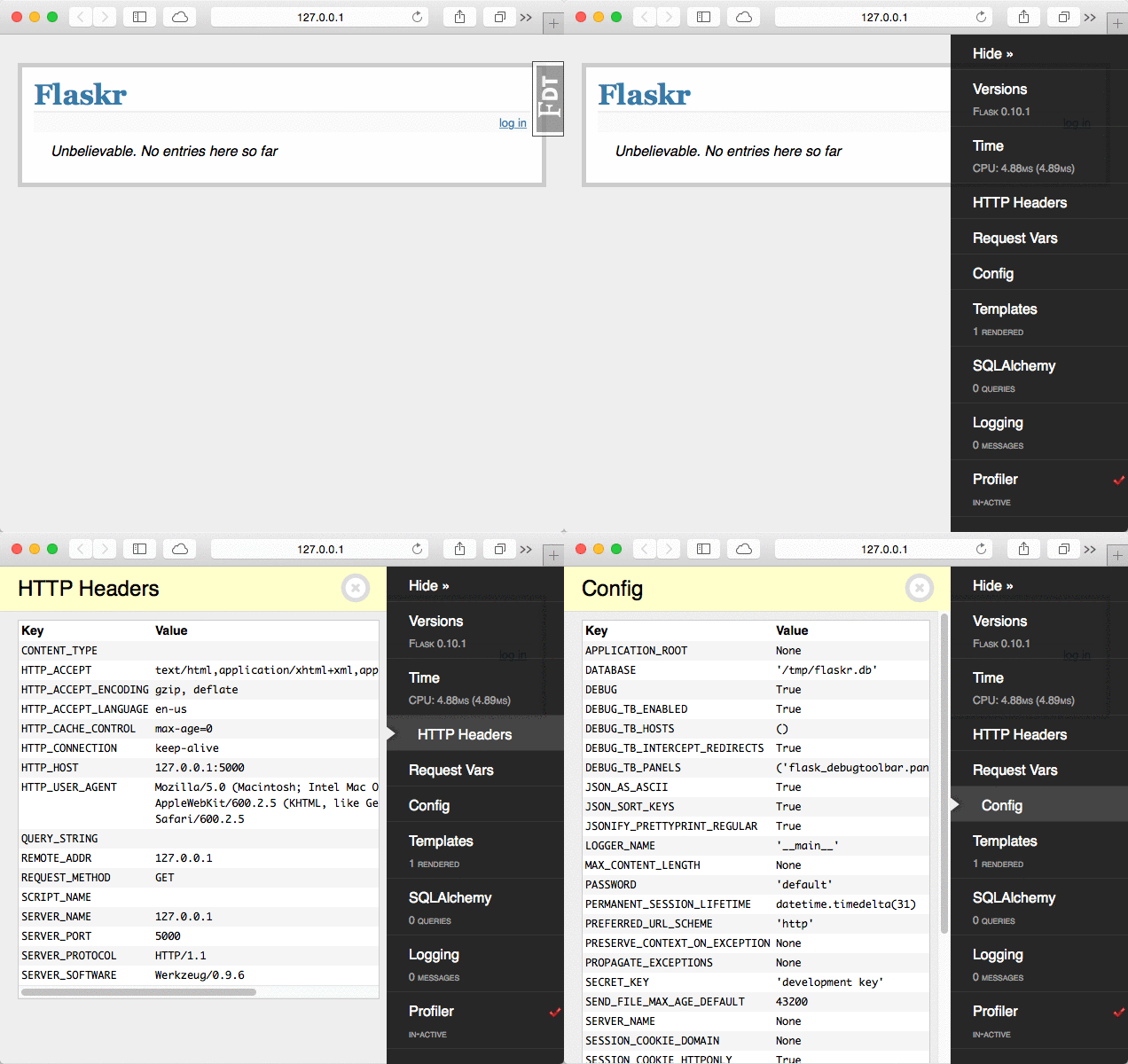
|
||||
43
README.rst
@@ -1,43 +0,0 @@
|
||||
Flask Debug-toolbar
|
||||
===================
|
||||
|
||||
This is a port of the excellent `django-debug-toolbar <https://github.com/django-debug-toolbar/django-debug-toolbar>`_
|
||||
for Flask applications.
|
||||
|
||||
.. image:: https://travis-ci.org/mgood/flask-debugtoolbar.png?branch=master
|
||||
:target: https://travis-ci.org/mgood/flask-debugtoolbar
|
||||
|
||||
|
||||
Installation
|
||||
------------
|
||||
|
||||
Installing is simple with pip::
|
||||
|
||||
$ pip install flask-debugtoolbar
|
||||
|
||||
|
||||
Usage
|
||||
-----
|
||||
|
||||
Setting up the debug toolbar is simple::
|
||||
|
||||
from flask import Flask
|
||||
from flask_debugtoolbar import DebugToolbarExtension
|
||||
|
||||
app = Flask(__name__)
|
||||
|
||||
# the toolbar is only enabled in debug mode:
|
||||
app.debug = True
|
||||
|
||||
# set a 'SECRET_KEY' to enable the Flask session cookies
|
||||
app.config['SECRET_KEY'] = '<replace with a secret key>'
|
||||
|
||||
toolbar = DebugToolbarExtension(app)
|
||||
|
||||
|
||||
The toolbar will automatically be injected into Jinja templates when debug mode is on.
|
||||
In production, setting ``app.debug = False`` will disable the toolbar.
|
||||
|
||||
See the `documentation`_ for more information.
|
||||
|
||||
.. _documentation: http://flask-debugtoolbar.readthedocs.org
|
||||
157
docs/Makefile
@@ -1,157 +0,0 @@
|
||||
# Makefile for Sphinx documentation
|
||||
#
|
||||
|
||||
# You can set these variables from the command line.
|
||||
SPHINXOPTS =
|
||||
SPHINXBUILD = sphinx-build
|
||||
PAPER =
|
||||
BUILDDIR = _build
|
||||
|
||||
# Internal variables.
|
||||
PAPEROPT_a4 = -D latex_paper_size=a4
|
||||
PAPEROPT_letter = -D latex_paper_size=letter
|
||||
ALLSPHINXOPTS = -d $(BUILDDIR)/doctrees $(PAPEROPT_$(PAPER)) $(SPHINXOPTS) .
|
||||
# the i18n builder cannot share the environment and doctrees with the others
|
||||
I18NSPHINXOPTS = $(PAPEROPT_$(PAPER)) $(SPHINXOPTS) .
|
||||
|
||||
.PHONY: help clean html dirhtml singlehtml pickle json htmlhelp qthelp devhelp epub latex latexpdf text man changes linkcheck doctest gettext
|
||||
|
||||
help:
|
||||
@echo "Please use \`make <target>' where <target> is one of"
|
||||
@echo " html to make standalone HTML files"
|
||||
@echo " dirhtml to make HTML files named index.html in directories"
|
||||
@echo " singlehtml to make a single large HTML file"
|
||||
@echo " pickle to make pickle files"
|
||||
@echo " json to make JSON files"
|
||||
@echo " htmlhelp to make HTML files and a HTML help project"
|
||||
@echo " qthelp to make HTML files and a qthelp project"
|
||||
@echo " devhelp to make HTML files and a Devhelp project"
|
||||
@echo " epub to make an epub"
|
||||
@echo " latex to make LaTeX files, you can set PAPER=a4 or PAPER=letter"
|
||||
@echo " latexpdf to make LaTeX files and run them through pdflatex"
|
||||
@echo " text to make text files"
|
||||
@echo " man to make manual pages"
|
||||
@echo " texinfo to make Texinfo files"
|
||||
@echo " info to make Texinfo files and run them through makeinfo"
|
||||
@echo " gettext to make PO message catalogs"
|
||||
@echo " changes to make an overview of all changed/added/deprecated items"
|
||||
@echo " linkcheck to check all external links for integrity"
|
||||
@echo " doctest to run all doctests embedded in the documentation (if enabled)"
|
||||
|
||||
clean:
|
||||
-rm -rf $(BUILDDIR)/*
|
||||
|
||||
html: _themes
|
||||
$(SPHINXBUILD) -b html $(ALLSPHINXOPTS) $(BUILDDIR)/html
|
||||
@echo
|
||||
@echo "Build finished. The HTML pages are in $(BUILDDIR)/html."
|
||||
|
||||
dirhtml:
|
||||
$(SPHINXBUILD) -b dirhtml $(ALLSPHINXOPTS) $(BUILDDIR)/dirhtml
|
||||
@echo
|
||||
@echo "Build finished. The HTML pages are in $(BUILDDIR)/dirhtml."
|
||||
|
||||
singlehtml:
|
||||
$(SPHINXBUILD) -b singlehtml $(ALLSPHINXOPTS) $(BUILDDIR)/singlehtml
|
||||
@echo
|
||||
@echo "Build finished. The HTML page is in $(BUILDDIR)/singlehtml."
|
||||
|
||||
pickle:
|
||||
$(SPHINXBUILD) -b pickle $(ALLSPHINXOPTS) $(BUILDDIR)/pickle
|
||||
@echo
|
||||
@echo "Build finished; now you can process the pickle files."
|
||||
|
||||
json:
|
||||
$(SPHINXBUILD) -b json $(ALLSPHINXOPTS) $(BUILDDIR)/json
|
||||
@echo
|
||||
@echo "Build finished; now you can process the JSON files."
|
||||
|
||||
htmlhelp:
|
||||
$(SPHINXBUILD) -b htmlhelp $(ALLSPHINXOPTS) $(BUILDDIR)/htmlhelp
|
||||
@echo
|
||||
@echo "Build finished; now you can run HTML Help Workshop with the" \
|
||||
".hhp project file in $(BUILDDIR)/htmlhelp."
|
||||
|
||||
qthelp:
|
||||
$(SPHINXBUILD) -b qthelp $(ALLSPHINXOPTS) $(BUILDDIR)/qthelp
|
||||
@echo
|
||||
@echo "Build finished; now you can run "qcollectiongenerator" with the" \
|
||||
".qhcp project file in $(BUILDDIR)/qthelp, like this:"
|
||||
@echo "# qcollectiongenerator $(BUILDDIR)/qthelp/Flask-DebugToolbar.qhcp"
|
||||
@echo "To view the help file:"
|
||||
@echo "# assistant -collectionFile $(BUILDDIR)/qthelp/Flask-DebugToolbar.qhc"
|
||||
|
||||
devhelp:
|
||||
$(SPHINXBUILD) -b devhelp $(ALLSPHINXOPTS) $(BUILDDIR)/devhelp
|
||||
@echo
|
||||
@echo "Build finished."
|
||||
@echo "To view the help file:"
|
||||
@echo "# mkdir -p $$HOME/.local/share/devhelp/Flask-DebugToolbar"
|
||||
@echo "# ln -s $(BUILDDIR)/devhelp $$HOME/.local/share/devhelp/Flask-DebugToolbar"
|
||||
@echo "# devhelp"
|
||||
|
||||
epub:
|
||||
$(SPHINXBUILD) -b epub $(ALLSPHINXOPTS) $(BUILDDIR)/epub
|
||||
@echo
|
||||
@echo "Build finished. The epub file is in $(BUILDDIR)/epub."
|
||||
|
||||
latex:
|
||||
$(SPHINXBUILD) -b latex $(ALLSPHINXOPTS) $(BUILDDIR)/latex
|
||||
@echo
|
||||
@echo "Build finished; the LaTeX files are in $(BUILDDIR)/latex."
|
||||
@echo "Run \`make' in that directory to run these through (pdf)latex" \
|
||||
"(use \`make latexpdf' here to do that automatically)."
|
||||
|
||||
latexpdf:
|
||||
$(SPHINXBUILD) -b latex $(ALLSPHINXOPTS) $(BUILDDIR)/latex
|
||||
@echo "Running LaTeX files through pdflatex..."
|
||||
$(MAKE) -C $(BUILDDIR)/latex all-pdf
|
||||
@echo "pdflatex finished; the PDF files are in $(BUILDDIR)/latex."
|
||||
|
||||
text:
|
||||
$(SPHINXBUILD) -b text $(ALLSPHINXOPTS) $(BUILDDIR)/text
|
||||
@echo
|
||||
@echo "Build finished. The text files are in $(BUILDDIR)/text."
|
||||
|
||||
man:
|
||||
$(SPHINXBUILD) -b man $(ALLSPHINXOPTS) $(BUILDDIR)/man
|
||||
@echo
|
||||
@echo "Build finished. The manual pages are in $(BUILDDIR)/man."
|
||||
|
||||
texinfo:
|
||||
$(SPHINXBUILD) -b texinfo $(ALLSPHINXOPTS) $(BUILDDIR)/texinfo
|
||||
@echo
|
||||
@echo "Build finished. The Texinfo files are in $(BUILDDIR)/texinfo."
|
||||
@echo "Run \`make' in that directory to run these through makeinfo" \
|
||||
"(use \`make info' here to do that automatically)."
|
||||
|
||||
info:
|
||||
$(SPHINXBUILD) -b texinfo $(ALLSPHINXOPTS) $(BUILDDIR)/texinfo
|
||||
@echo "Running Texinfo files through makeinfo..."
|
||||
make -C $(BUILDDIR)/texinfo info
|
||||
@echo "makeinfo finished; the Info files are in $(BUILDDIR)/texinfo."
|
||||
|
||||
gettext:
|
||||
$(SPHINXBUILD) -b gettext $(I18NSPHINXOPTS) $(BUILDDIR)/locale
|
||||
@echo
|
||||
@echo "Build finished. The message catalogs are in $(BUILDDIR)/locale."
|
||||
|
||||
changes:
|
||||
$(SPHINXBUILD) -b changes $(ALLSPHINXOPTS) $(BUILDDIR)/changes
|
||||
@echo
|
||||
@echo "The overview file is in $(BUILDDIR)/changes."
|
||||
|
||||
linkcheck:
|
||||
$(SPHINXBUILD) -b linkcheck $(ALLSPHINXOPTS) $(BUILDDIR)/linkcheck
|
||||
@echo
|
||||
@echo "Link check complete; look for any errors in the above output " \
|
||||
"or in $(BUILDDIR)/linkcheck/output.txt."
|
||||
|
||||
doctest:
|
||||
$(SPHINXBUILD) -b doctest $(ALLSPHINXOPTS) $(BUILDDIR)/doctest
|
||||
@echo "Testing of doctests in the sources finished, look at the " \
|
||||
"results in $(BUILDDIR)/doctest/output.txt."
|
||||
|
||||
_themes:
|
||||
git clone git://github.com/Pylons/pylons_sphinx_theme.git _themes
|
||||
cd ..; git submodule update --init; cd docs
|
||||
BIN
docs/_static/example.gif
vendored
Normal file

|
After Width: | Height: | Size: 156 KiB |
BIN
docs/_static/screenshot-config-panel.png
vendored
Normal file

|
After Width: | Height: | Size: 65 KiB |
BIN
docs/_static/screenshot-headers-panel.png
vendored
Normal file

|
After Width: | Height: | Size: 56 KiB |
BIN
docs/_static/screenshot-logger-panel.png
vendored
Normal file

|
After Width: | Height: | Size: 26 KiB |
BIN
docs/_static/screenshot-profiler-panel.png
vendored
Normal file

|
After Width: | Height: | Size: 51 KiB |
BIN
docs/_static/screenshot-request-vars-panel.png
vendored
Normal file

|
After Width: | Height: | Size: 62 KiB |
BIN
docs/_static/screenshot-sqlalchemy-panel.png
vendored
Normal file

|
After Width: | Height: | Size: 33 KiB |
BIN
docs/_static/screenshot-template-panel.png
vendored
Normal file

|
After Width: | Height: | Size: 35 KiB |
BIN
docs/_static/screenshot-time-panel.png
vendored
Normal file

|
After Width: | Height: | Size: 42 KiB |
0
docs/_templates/.gitignore
vendored
271
docs/conf.py
@@ -1,246 +1,39 @@
|
||||
# -*- coding: utf-8 -*-
|
||||
#
|
||||
# Flask-DebugToolbar documentation build configuration file, created by
|
||||
# sphinx-quickstart on Wed Feb 15 18:08:39 2012.
|
||||
#
|
||||
# This file is execfile()d with the current directory set to its containing dir.
|
||||
#
|
||||
# Note that not all possible configuration values are present in this
|
||||
# autogenerated file.
|
||||
#
|
||||
# All configuration values have a default; values that are commented out
|
||||
# serve to show the default.
|
||||
import importlib.metadata
|
||||
|
||||
import sys, os
|
||||
# Project --------------------------------------------------------------
|
||||
|
||||
# If extensions (or modules to document with autodoc) are in another directory,
|
||||
# add these directories to sys.path here. If the directory is relative to the
|
||||
# documentation root, use os.path.abspath to make it absolute, like shown here.
|
||||
#sys.path.insert(0, os.path.abspath('.'))
|
||||
project = "Flask-DebugToolbar"
|
||||
version = release = importlib.metadata.version("flask-debugtoolbar").partition(".dev")[
|
||||
0
|
||||
]
|
||||
|
||||
# -- General configuration -----------------------------------------------------
|
||||
# General --------------------------------------------------------------
|
||||
|
||||
# If your documentation needs a minimal Sphinx version, state it here.
|
||||
#needs_sphinx = '1.0'
|
||||
|
||||
# Add any Sphinx extension module names here, as strings. They can be extensions
|
||||
# coming with Sphinx (named 'sphinx.ext.*') or your custom ones.
|
||||
extensions = ['sphinx.ext.viewcode']
|
||||
|
||||
# Add any paths that contain templates here, relative to this directory.
|
||||
templates_path = ['_templates']
|
||||
|
||||
# The suffix of source filenames.
|
||||
source_suffix = '.rst'
|
||||
|
||||
# The encoding of source files.
|
||||
#source_encoding = 'utf-8-sig'
|
||||
|
||||
# The master toctree document.
|
||||
master_doc = 'index'
|
||||
|
||||
# General information about the project.
|
||||
project = u'Flask-DebugToolbar'
|
||||
copyright = u'2012, Matt Good'
|
||||
|
||||
# The version info for the project you're documenting, acts as replacement for
|
||||
# |version| and |release|, also used in various other places throughout the
|
||||
# built documents.
|
||||
#
|
||||
# The short X.Y version.
|
||||
version = '0.9'
|
||||
# The full version, including alpha/beta/rc tags.
|
||||
release = '0.9.0'
|
||||
|
||||
# The language for content autogenerated by Sphinx. Refer to documentation
|
||||
# for a list of supported languages.
|
||||
#language = None
|
||||
|
||||
# There are two options for replacing |today|: either, you set today to some
|
||||
# non-false value, then it is used:
|
||||
#today = ''
|
||||
# Else, today_fmt is used as the format for a strftime call.
|
||||
#today_fmt = '%B %d, %Y'
|
||||
|
||||
# List of patterns, relative to source directory, that match files and
|
||||
# directories to ignore when looking for source files.
|
||||
exclude_patterns = ['_build']
|
||||
|
||||
# The reST default role (used for this markup: `text`) to use for all documents.
|
||||
#default_role = None
|
||||
|
||||
# If true, '()' will be appended to :func: etc. cross-reference text.
|
||||
#add_function_parentheses = True
|
||||
|
||||
# If true, the current module name will be prepended to all description
|
||||
# unit titles (such as .. function::).
|
||||
#add_module_names = True
|
||||
|
||||
# If true, sectionauthor and moduleauthor directives will be shown in the
|
||||
# output. They are ignored by default.
|
||||
#show_authors = False
|
||||
|
||||
# The name of the Pygments (syntax highlighting) style to use.
|
||||
pygments_style = 'sphinx'
|
||||
|
||||
# A list of ignored prefixes for module index sorting.
|
||||
#modindex_common_prefix = []
|
||||
|
||||
|
||||
# -- Options for HTML output ---------------------------------------------------
|
||||
|
||||
# The theme to use for HTML and HTML Help pages. See the documentation for
|
||||
# a list of builtin themes.
|
||||
html_theme = 'flask_small'
|
||||
|
||||
# Theme options are theme-specific and customize the look and feel of a theme
|
||||
# further. For a list of options available for each theme, see the
|
||||
# documentation.
|
||||
html_theme_options = {
|
||||
'github_fork': 'mgood/flask-debugtoolbar',
|
||||
'index_logo': None,
|
||||
default_role = "code"
|
||||
extensions = [
|
||||
"sphinx.ext.autodoc",
|
||||
"sphinx.ext.extlinks",
|
||||
"sphinx.ext.intersphinx",
|
||||
"sphinxcontrib.log_cabinet",
|
||||
"pallets_sphinx_themes",
|
||||
]
|
||||
autodoc_member_order = "bysource"
|
||||
autodoc_typehints = "description"
|
||||
autodoc_preserve_defaults = True
|
||||
extlinks = {
|
||||
"issue": ("https://github.com/pallets-eco/flask-debugtoolbar/issues/%s", "#%s"),
|
||||
"pr": ("https://github.com/pallets-eco/flask-debugtoolbar/pull/%s", "#%s"),
|
||||
}
|
||||
intersphinx_mapping = {
|
||||
"python": ("https://docs.python.org/3/", None),
|
||||
"flasksqlalchemy": ("https://flask-sqlalchemy.palletsprojects.com", None),
|
||||
}
|
||||
|
||||
# Add any paths that contain custom themes here, relative to this directory.
|
||||
sys.path.append(os.path.abspath('_themes'))
|
||||
html_theme_path = ['_themes']
|
||||
# HTML -----------------------------------------------------------------
|
||||
|
||||
# The name for this set of Sphinx documents. If None, it defaults to
|
||||
# "<project> v<release> documentation".
|
||||
#html_title = None
|
||||
|
||||
# A shorter title for the navigation bar. Default is the same as html_title.
|
||||
#html_short_title = None
|
||||
|
||||
# The name of an image file (relative to this directory) to place at the top
|
||||
# of the sidebar.
|
||||
#html_logo = None
|
||||
|
||||
# The name of an image file (within the static path) to use as favicon of the
|
||||
# docs. This file should be a Windows icon file (.ico) being 16x16 or 32x32
|
||||
# pixels large.
|
||||
#html_favicon = None
|
||||
|
||||
# Add any paths that contain custom static files (such as style sheets) here,
|
||||
# relative to this directory. They are copied after the builtin static files,
|
||||
# so a file named "default.css" will overwrite the builtin "default.css".
|
||||
html_static_path = ['_static']
|
||||
|
||||
# If not '', a 'Last updated on:' timestamp is inserted at every page bottom,
|
||||
# using the given strftime format.
|
||||
#html_last_updated_fmt = '%b %d, %Y'
|
||||
|
||||
# If true, SmartyPants will be used to convert quotes and dashes to
|
||||
# typographically correct entities.
|
||||
#html_use_smartypants = True
|
||||
|
||||
# Custom sidebar templates, maps document names to template names.
|
||||
#html_sidebars = {}
|
||||
|
||||
# Additional templates that should be rendered to pages, maps page names to
|
||||
# template names.
|
||||
#html_additional_pages = {}
|
||||
|
||||
# If false, no module index is generated.
|
||||
#html_domain_indices = True
|
||||
|
||||
# If false, no index is generated.
|
||||
#html_use_index = True
|
||||
|
||||
# If true, the index is split into individual pages for each letter.
|
||||
#html_split_index = False
|
||||
|
||||
# If true, links to the reST sources are added to the pages.
|
||||
#html_show_sourcelink = True
|
||||
|
||||
# If true, "Created using Sphinx" is shown in the HTML footer. Default is True.
|
||||
#html_show_sphinx = True
|
||||
|
||||
# If true, "(C) Copyright ..." is shown in the HTML footer. Default is True.
|
||||
#html_show_copyright = True
|
||||
|
||||
# If true, an OpenSearch description file will be output, and all pages will
|
||||
# contain a <link> tag referring to it. The value of this option must be the
|
||||
# base URL from which the finished HTML is served.
|
||||
#html_use_opensearch = ''
|
||||
|
||||
# This is the file name suffix for HTML files (e.g. ".xhtml").
|
||||
#html_file_suffix = None
|
||||
|
||||
# Output file base name for HTML help builder.
|
||||
htmlhelp_basename = 'Flask-DebugToolbardoc'
|
||||
|
||||
|
||||
# -- Options for LaTeX output --------------------------------------------------
|
||||
|
||||
latex_elements = {
|
||||
# The paper size ('letterpaper' or 'a4paper').
|
||||
#'papersize': 'letterpaper',
|
||||
|
||||
# The font size ('10pt', '11pt' or '12pt').
|
||||
#'pointsize': '10pt',
|
||||
|
||||
# Additional stuff for the LaTeX preamble.
|
||||
#'preamble': '',
|
||||
}
|
||||
|
||||
# Grouping the document tree into LaTeX files. List of tuples
|
||||
# (source start file, target name, title, author, documentclass [howto/manual]).
|
||||
latex_documents = [
|
||||
('index', 'Flask-DebugToolbar.tex', u'Flask-DebugToolbar Documentation',
|
||||
u'Matt Good', 'manual'),
|
||||
]
|
||||
|
||||
# The name of an image file (relative to this directory) to place at the top of
|
||||
# the title page.
|
||||
#latex_logo = None
|
||||
|
||||
# For "manual" documents, if this is true, then toplevel headings are parts,
|
||||
# not chapters.
|
||||
#latex_use_parts = False
|
||||
|
||||
# If true, show page references after internal links.
|
||||
#latex_show_pagerefs = False
|
||||
|
||||
# If true, show URL addresses after external links.
|
||||
#latex_show_urls = False
|
||||
|
||||
# Documents to append as an appendix to all manuals.
|
||||
#latex_appendices = []
|
||||
|
||||
# If false, no module index is generated.
|
||||
#latex_domain_indices = True
|
||||
|
||||
|
||||
# -- Options for manual page output --------------------------------------------
|
||||
|
||||
# One entry per manual page. List of tuples
|
||||
# (source start file, name, description, authors, manual section).
|
||||
man_pages = [
|
||||
('index', 'flask-debugtoolbar', u'Flask-DebugToolbar Documentation',
|
||||
[u'Matt Good'], 1)
|
||||
]
|
||||
|
||||
# If true, show URL addresses after external links.
|
||||
#man_show_urls = False
|
||||
|
||||
|
||||
# -- Options for Texinfo output ------------------------------------------------
|
||||
|
||||
# Grouping the document tree into Texinfo files. List of tuples
|
||||
# (source start file, target name, title, author,
|
||||
# dir menu entry, description, category)
|
||||
texinfo_documents = [
|
||||
('index', 'Flask-DebugToolbar', u'Flask-DebugToolbar Documentation',
|
||||
u'Matt Good', 'Flask-DebugToolbar', 'One line description of project.',
|
||||
'Miscellaneous'),
|
||||
]
|
||||
|
||||
# Documents to append as an appendix to all manuals.
|
||||
#texinfo_appendices = []
|
||||
|
||||
# If false, no module index is generated.
|
||||
#texinfo_domain_indices = True
|
||||
|
||||
# How to display URL addresses: 'footnote', 'no', or 'inline'.
|
||||
#texinfo_show_urls = 'footnote'
|
||||
html_theme = "flask"
|
||||
html_static_path = ["_static"]
|
||||
html_copy_source = False
|
||||
html_show_copyright = False
|
||||
html_use_index = False
|
||||
html_domain_indices = False
|
||||
|
||||
@@ -1,21 +1,19 @@
|
||||
.. Flask-DebugToolbar documentation master file, created by
|
||||
sphinx-quickstart on Wed Feb 15 18:08:39 2012.
|
||||
You can adapt this file completely to your liking, but it should at least
|
||||
contain the root `toctree` directive.
|
||||
|
||||
Flask-DebugToolbar
|
||||
==================
|
||||
|
||||
This is a port of the excellent `django-debug-toolbar <https://github.com/django-debug-toolbar/django-debug-toolbar>`_
|
||||
for Flask applications.
|
||||
This extension adds a toolbar overlay to Flask applications containing useful information for debugging.
|
||||
|
||||
.. image:: _static/example.gif
|
||||
|
||||
Installation
|
||||
------------
|
||||
|
||||
Installing is simple with pip::
|
||||
Installing is simple with `pip`_::
|
||||
|
||||
$ pip install flask-debugtoolbar
|
||||
|
||||
.. _pip: https://pip.pypa.io/
|
||||
|
||||
|
||||
Usage
|
||||
-----
|
||||
@@ -36,9 +34,16 @@ Setting up the debug toolbar is simple::
|
||||
toolbar = DebugToolbarExtension(app)
|
||||
|
||||
|
||||
The toolbar will automatically be injected into Jinja templates when debug mode is on.
|
||||
In production, setting ``app.debug = False`` will disable the toolbar.
|
||||
The toolbar will automatically be injected into HTML responses when debug mode
|
||||
is on. In production, setting ``app.debug = False`` will disable the toolbar.
|
||||
|
||||
This extension also supports the Flask app factory pattern by separately
|
||||
creating the toolbar and later initializing it for an app::
|
||||
|
||||
toolbar = DebugToolbarExtension()
|
||||
# Then later on.
|
||||
app = create_app('the-config.cfg')
|
||||
toolbar.init_app(app)
|
||||
|
||||
Configuration
|
||||
-------------
|
||||
@@ -50,10 +55,19 @@ Name Description De
|
||||
==================================== ===================================== ==========================
|
||||
``DEBUG_TB_ENABLED`` Enable the toolbar? ``app.debug``
|
||||
``DEBUG_TB_HOSTS`` Whitelist of hosts to display toolbar any host
|
||||
``DEBUG_TB_ROUTES_HOST`` The host to associate with toolbar ``None``
|
||||
routes (where its assets are served
|
||||
from), or the sentinel value `*` to
|
||||
serve from the same host as the
|
||||
current request (ie any host). This
|
||||
is only required if Flask is
|
||||
configured to use `host_matching`.
|
||||
``DEBUG_TB_INTERCEPT_REDIRECTS`` Should intercept redirects? ``True``
|
||||
``DEBUG_TB_PANELS`` List of module/class names of panels enable all built-in panels
|
||||
``DEBUG_TB_PROFILER_ENABLED`` Enable the profiler on all requests ``False``, user-enabled
|
||||
``DEBUG_TB_TEMPLATE_EDITOR_ENABLED`` Enable the template editor ``False``
|
||||
``DEBUG_TB_PROFILER_DUMP_FILENAME`` Filename of the profiler stats dump, ``None``, no dump will be written
|
||||
can be a ``str`` or a ``callable``
|
||||
==================================== ===================================== ==========================
|
||||
|
||||
To change one of the config options, set it in the Flask app's config like::
|
||||
@@ -61,16 +75,24 @@ To change one of the config options, set it in the Flask app's config like::
|
||||
app.config['DEBUG_TB_INTERCEPT_REDIRECTS'] = False
|
||||
|
||||
|
||||
Panels
|
||||
------
|
||||
|
||||
.. toctree::
|
||||
|
||||
panels
|
||||
license
|
||||
|
||||
Contributing
|
||||
------------
|
||||
|
||||
Fork us `on GitHub <https://github.com/mgood/flask-debugtoolbar>`_
|
||||
Fork us `on GitHub <https://github.com/pallets-eco/flask-debugtoolbar>`_
|
||||
|
||||
Thanks
|
||||
------
|
||||
|
||||
Indices and tables
|
||||
==================
|
||||
|
||||
* :ref:`genindex`
|
||||
* :ref:`modindex`
|
||||
* :ref:`search`
|
||||
This was based on the original `django-debug-toolbar`_. Thanks to `Michael van Tellingen`_ for the original development of this Flask extension, and to all the `individual contributors`_.
|
||||
|
||||
.. _django-debug-toolbar: https://github.com/jazzband/django-debug-toolbar
|
||||
.. _Michael van Tellingen: https://github.com/mvantellingen
|
||||
.. _individual contributors: https://github.com/pallets-eco/flask-debugtoolbar/graphs/contributors
|
||||
|
||||
5
docs/license.rst
Normal file
@@ -0,0 +1,5 @@
|
||||
BSD-3-Clause License
|
||||
====================
|
||||
|
||||
.. literalinclude:: ../LICENSE.txt
|
||||
:language: text
|
||||
110
docs/panels.rst
Normal file
@@ -0,0 +1,110 @@
|
||||
Built-In Panels
|
||||
===============
|
||||
|
||||
Versions
|
||||
--------
|
||||
flask_debugtoolbar.panels.versions.VersionDebugPanel
|
||||
|
||||
Shows the installed Flask version. The expanded view displays all installed packages and their versions as detected by ``setuptools``.
|
||||
|
||||
|
||||
Time
|
||||
----
|
||||
|
||||
flask_debugtoolbar.panels.timer.TimerDebugPanel
|
||||
|
||||
Shows the time taken to process the current request. The expanded view includes the breakdown of CPU time, by user and system, wall clock time, and context switches.
|
||||
|
||||
.. image:: _static/screenshot-time-panel.png
|
||||
|
||||
|
||||
HTTP Headers
|
||||
------------
|
||||
|
||||
flask_debugtoolbar.panels.headers.HeaderDebugPanel
|
||||
|
||||
Displays the HTTP headers for the current request.
|
||||
|
||||
.. image:: _static/screenshot-headers-panel.png
|
||||
|
||||
|
||||
Request Vars
|
||||
------------
|
||||
|
||||
flask_debugtoolbar.panels.request_vars.RequestVarsDebugPanel
|
||||
|
||||
Displays details of the Flask request-related variables, including the view function parameters, cookies, session variables, and GET and POST variables.
|
||||
|
||||
.. image:: _static/screenshot-request-vars-panel.png
|
||||
|
||||
|
||||
Config
|
||||
------
|
||||
|
||||
flask_debugtoolbar.panels.config_vars.ConfigVarsDebugPanel
|
||||
|
||||
Shows the contents of the Flask application's config dict ``app.config``.
|
||||
|
||||
.. image:: _static/screenshot-config-panel.png
|
||||
|
||||
|
||||
Templates
|
||||
---------
|
||||
|
||||
flask_debugtoolbar.panels.template.TemplateDebugPanel
|
||||
|
||||
Shows information about the templates rendered for this request, and the value of the template parameters provided.
|
||||
|
||||
.. image:: _static/screenshot-template-panel.png
|
||||
|
||||
|
||||
SQLAlchemy
|
||||
----------
|
||||
|
||||
flask_debugtoolbar.panels.sqlalchemy.SQLAlchemyDebugPanel
|
||||
|
||||
Shows SQL queries run during the current request.
|
||||
|
||||
.. note:: This panel requires using the `Flask-SQLAlchemy`_ extension in order
|
||||
to record the queries. See the Flask-SQLAlchemy
|
||||
:ref:`flasksqlalchemy:quickstart` section to configure it.
|
||||
|
||||
For additional details on query recording see the
|
||||
:py:func:`~flask_sqlalchemy.get_debug_queries` documentation.
|
||||
|
||||
.. note:: SQL syntax highlighting requires `Pygments`_ to be installed.
|
||||
|
||||
.. image:: _static/screenshot-sqlalchemy-panel.png
|
||||
|
||||
.. _Flask-SQLAlchemy: https://flask-sqlalchemy.palletsprojects.com/
|
||||
|
||||
.. _Pygments: https://pygments.org/
|
||||
|
||||
|
||||
Logging
|
||||
-------
|
||||
|
||||
flask_debugtoolbar.panels.logger.LoggingPanel
|
||||
|
||||
Displays log messages recorded during the current request.
|
||||
|
||||
.. image:: _static/screenshot-logger-panel.png
|
||||
|
||||
|
||||
Route List
|
||||
----------
|
||||
|
||||
flask_debugtoolbar.panels.route_list.RouteListDebugPanel
|
||||
|
||||
|
||||
Displays the Flask URL routing rules.
|
||||
|
||||
|
||||
Profiler
|
||||
--------
|
||||
|
||||
flask_debugtoolbar.panels.profiler.ProfilerDebugPanel
|
||||
|
||||
Reports profiling data for the current request. Due to the performance overhead, profiling is disabled by default. Click the checkmark to toggle profiling on or off. After enabling the profiler, refresh the page to re-run it with profiling.
|
||||
|
||||
.. image:: _static/screenshot-profiler-panel.png
|
||||
50
example/app.py
Normal file
@@ -0,0 +1,50 @@
|
||||
# Run using: `FLASK_DEBUG=True flask run`
|
||||
|
||||
from flask import Flask
|
||||
from flask import redirect
|
||||
from flask import render_template
|
||||
from flask import url_for
|
||||
from flask_sqlalchemy import SQLAlchemy
|
||||
|
||||
from flask_debugtoolbar import DebugToolbarExtension
|
||||
|
||||
app = Flask(__name__)
|
||||
app.config["DEBUG_TB_INTERCEPT_REDIRECTS"] = True
|
||||
# app.config['DEBUG_TB_PANELS'] = (
|
||||
# 'flask_debugtoolbar.panels.headers.HeaderDebugPanel',
|
||||
# 'flask_debugtoolbar.panels.logger.LoggingPanel',
|
||||
# 'flask_debugtoolbar.panels.timer.TimerDebugPanel',
|
||||
# )
|
||||
# app.config['DEBUG_TB_HOSTS'] = ('127.0.0.1', '::1' )
|
||||
app.config["SECRET_KEY"] = "asd"
|
||||
app.config["SQLALCHEMY_RECORD_QUERIES"] = True
|
||||
app.config["SQLALCHEMY_DATABASE_URI"] = "sqlite:////tmp/test.db"
|
||||
# This is no longer needed for Flask-SQLAlchemy 3.0+, if you're using 2.X you'll
|
||||
# want to define this:
|
||||
# app.config['SQLALCHEMY_TRACK_MODIFICATIONS'] = False
|
||||
|
||||
db = SQLAlchemy(app)
|
||||
toolbar = DebugToolbarExtension(app)
|
||||
|
||||
|
||||
class ExampleModel(db.Model):
|
||||
__tablename__ = "examples"
|
||||
value = db.Column(db.String(100), primary_key=True)
|
||||
|
||||
|
||||
@app.route("/")
|
||||
def index():
|
||||
app.logger.info("Hello there")
|
||||
ExampleModel.query.get(1)
|
||||
return render_template("index.html")
|
||||
|
||||
|
||||
@app.route("/redirect")
|
||||
def redirect_example():
|
||||
response = redirect(url_for("index"))
|
||||
response.set_cookie("test_cookie", "1")
|
||||
return response
|
||||
|
||||
|
||||
with app.app_context():
|
||||
db.create_all()
|
||||
@@ -1,49 +0,0 @@
|
||||
import sys
|
||||
sys.path.insert(0, '.')
|
||||
|
||||
from flask import Flask, render_template, redirect, url_for
|
||||
from flask.ext.script import Manager
|
||||
from flask.ext.sqlalchemy import SQLAlchemy
|
||||
from flask_debugtoolbar import DebugToolbarExtension
|
||||
|
||||
|
||||
app = Flask(__name__)
|
||||
app.config['DEBUG_TB_INTERCEPT_REDIRECTS'] = True
|
||||
#app.config['DEBUG_TB_PANELS'] = (
|
||||
# 'flask_debugtoolbar.panels.headers.HeaderDebugPanel',
|
||||
# 'flask_debugtoolbar.panels.logger.LoggingPanel',
|
||||
# 'flask_debugtoolbar.panels.timer.TimerDebugPanel',
|
||||
#)
|
||||
#app.config['DEBUG_TB_HOSTS'] = ('127.0.0.1', '::1' )
|
||||
app.config['SECRET_KEY'] = 'asd'
|
||||
app.config['DEBUG'] = True
|
||||
app.config['SQLALCHEMY_DATABASE_URI'] = 'sqlite:////tmp/test.db'
|
||||
db = SQLAlchemy(app)
|
||||
|
||||
toolbar = DebugToolbarExtension(app)
|
||||
|
||||
|
||||
class ExampleModel(db.Model):
|
||||
__tablename__ = 'examples'
|
||||
value = db.Column(db.String(100), primary_key=True)
|
||||
|
||||
|
||||
@app.route('/')
|
||||
def index():
|
||||
app.logger.info("Hello there")
|
||||
ExampleModel.query.get(1)
|
||||
return render_template('index.html')
|
||||
|
||||
|
||||
@app.route('/redirect')
|
||||
def redirect_example():
|
||||
|
||||
response = redirect(url_for('index'))
|
||||
response.set_cookie('test_cookie', '1')
|
||||
return response
|
||||
|
||||
if __name__ == "__main__":
|
||||
db.create_all()
|
||||
|
||||
manager = Manager(app)
|
||||
manager.run()
|
||||
@@ -1,212 +0,0 @@
|
||||
import os
|
||||
|
||||
from flask import current_app, request, g
|
||||
from flask.globals import _request_ctx_stack
|
||||
from flask import send_from_directory
|
||||
from jinja2 import Environment, PackageLoader
|
||||
from werkzeug.exceptions import HTTPException
|
||||
from werkzeug.urls import url_quote_plus
|
||||
|
||||
from flask_debugtoolbar.toolbar import DebugToolbar
|
||||
from flask_debugtoolbar.compat import iteritems
|
||||
from flask import Blueprint
|
||||
|
||||
|
||||
module = Blueprint('debugtoolbar', __name__)
|
||||
|
||||
|
||||
def replace_insensitive(string, target, replacement):
|
||||
"""Similar to string.replace() but is case insensitive
|
||||
Code borrowed from:
|
||||
http://forums.devshed.com/python-programming-11/case-insensitive-string-replace-490921.html
|
||||
"""
|
||||
no_case = string.lower()
|
||||
index = no_case.rfind(target.lower())
|
||||
if index >= 0:
|
||||
return string[:index] + replacement + string[index + len(target):]
|
||||
else: # no results so return the original string
|
||||
return string
|
||||
|
||||
|
||||
def _printable(value):
|
||||
try:
|
||||
return repr(value)
|
||||
except Exception as e:
|
||||
return '<repr(%s) raised %s: %s>' % (
|
||||
object.__repr__(value), type(e).__name__, e)
|
||||
|
||||
|
||||
class DebugToolbarExtension(object):
|
||||
_static_dir = os.path.realpath(
|
||||
os.path.join(os.path.dirname(__file__), 'static'))
|
||||
|
||||
_redirect_codes = [301, 302, 303, 304]
|
||||
|
||||
def __init__(self, app=None):
|
||||
self.app = app
|
||||
self.debug_toolbars = {}
|
||||
|
||||
# Configure jinja for the internal templates and add url rules
|
||||
# for static data
|
||||
self.jinja_env = Environment(
|
||||
autoescape=True,
|
||||
extensions=['jinja2.ext.i18n', 'jinja2.ext.with_'],
|
||||
loader=PackageLoader(__name__, 'templates'))
|
||||
self.jinja_env.filters['urlencode'] = url_quote_plus
|
||||
self.jinja_env.filters['printable'] = _printable
|
||||
|
||||
if app is not None:
|
||||
self.init_app(app)
|
||||
|
||||
def init_app(self, app):
|
||||
for k, v in iteritems(self._default_config(app)):
|
||||
app.config.setdefault(k, v)
|
||||
|
||||
if not app.config['DEBUG_TB_ENABLED']:
|
||||
return
|
||||
|
||||
if not app.config.get('SECRET_KEY'):
|
||||
raise RuntimeError(
|
||||
"The Flask-DebugToolbar requires the 'SECRET_KEY' config "
|
||||
"var to be set")
|
||||
|
||||
DebugToolbar.load_panels(app)
|
||||
|
||||
app.before_request(self.process_request)
|
||||
app.after_request(self.process_response)
|
||||
app.teardown_request(self.teardown_request)
|
||||
|
||||
# Monkey-patch the Flask.dispatch_request method
|
||||
app.dispatch_request = self.dispatch_request
|
||||
|
||||
app.add_url_rule('/_debug_toolbar/static/<path:filename>',
|
||||
'_debug_toolbar.static', self.send_static_file)
|
||||
|
||||
app.register_blueprint(module, url_prefix='/_debug_toolbar/views')
|
||||
|
||||
def _default_config(self, app):
|
||||
return {
|
||||
'DEBUG_TB_ENABLED': app.debug,
|
||||
'DEBUG_TB_HOSTS': (),
|
||||
'DEBUG_TB_INTERCEPT_REDIRECTS': True,
|
||||
'DEBUG_TB_PANELS': (
|
||||
'flask_debugtoolbar.panels.versions.VersionDebugPanel',
|
||||
'flask_debugtoolbar.panels.timer.TimerDebugPanel',
|
||||
'flask_debugtoolbar.panels.headers.HeaderDebugPanel',
|
||||
'flask_debugtoolbar.panels.request_vars.RequestVarsDebugPanel',
|
||||
'flask_debugtoolbar.panels.config_vars.ConfigVarsDebugPanel',
|
||||
'flask_debugtoolbar.panels.template.TemplateDebugPanel',
|
||||
'flask_debugtoolbar.panels.sqlalchemy.SQLAlchemyDebugPanel',
|
||||
'flask_debugtoolbar.panels.logger.LoggingPanel',
|
||||
'flask_debugtoolbar.panels.profiler.ProfilerDebugPanel',
|
||||
),
|
||||
}
|
||||
|
||||
def dispatch_request(self):
|
||||
"""Modified version of Flask.dispatch_request to call process_view."""
|
||||
req = _request_ctx_stack.top.request
|
||||
app = current_app
|
||||
|
||||
if req.routing_exception is not None:
|
||||
app.raise_routing_exception(req)
|
||||
|
||||
rule = req.url_rule
|
||||
|
||||
# if we provide automatic options for this URL and the
|
||||
# request came with the OPTIONS method, reply automatically
|
||||
if getattr(rule, 'provide_automatic_options', False) \
|
||||
and req.method == 'OPTIONS':
|
||||
return app.make_default_options_response()
|
||||
|
||||
# otherwise dispatch to the handler for that endpoint
|
||||
view_func = app.view_functions[rule.endpoint]
|
||||
view_func = self.process_view(app, view_func, req.view_args)
|
||||
|
||||
return view_func(**req.view_args)
|
||||
|
||||
def _show_toolbar(self):
|
||||
"""Return a boolean to indicate if we need to show the toolbar."""
|
||||
if request.blueprint == 'debugtoolbar':
|
||||
return False
|
||||
|
||||
hosts = current_app.config['DEBUG_TB_HOSTS']
|
||||
if hosts and request.remote_addr not in hosts:
|
||||
return False
|
||||
|
||||
return True
|
||||
|
||||
def send_static_file(self, filename):
|
||||
"""Send a static file from the flask-debugtoolbar static directory."""
|
||||
return send_from_directory(self._static_dir, filename)
|
||||
|
||||
def process_request(self):
|
||||
g.debug_toolbar = self
|
||||
|
||||
if not self._show_toolbar():
|
||||
return
|
||||
|
||||
real_request = request._get_current_object()
|
||||
|
||||
self.debug_toolbars[real_request] = DebugToolbar(real_request, self.jinja_env)
|
||||
for panel in self.debug_toolbars[real_request].panels:
|
||||
panel.process_request(real_request)
|
||||
|
||||
def process_view(self, app, view_func, view_kwargs):
|
||||
""" This method is called just before the flask view is called.
|
||||
This is done by the dispatch_request method.
|
||||
"""
|
||||
real_request = request._get_current_object()
|
||||
if real_request in self.debug_toolbars:
|
||||
for panel in self.debug_toolbars[real_request].panels:
|
||||
new_view = panel.process_view(real_request, view_func, view_kwargs)
|
||||
if new_view:
|
||||
view_func = new_view
|
||||
return view_func
|
||||
|
||||
def process_response(self, response):
|
||||
real_request = request._get_current_object()
|
||||
if real_request not in self.debug_toolbars:
|
||||
return response
|
||||
|
||||
# Intercept http redirect codes and display an html page with a
|
||||
# link to the target.
|
||||
if current_app.config['DEBUG_TB_INTERCEPT_REDIRECTS']:
|
||||
if (response.status_code in self._redirect_codes and
|
||||
not real_request.is_xhr):
|
||||
redirect_to = response.location
|
||||
redirect_code = response.status_code
|
||||
if redirect_to:
|
||||
content = self.render('redirect.html', {
|
||||
'redirect_to': redirect_to,
|
||||
'redirect_code': redirect_code
|
||||
})
|
||||
response.content_length = len(content)
|
||||
response.location = None
|
||||
response.response = [content]
|
||||
response.status_code = 200
|
||||
|
||||
# If the http response code is 200 then we process to add the
|
||||
# toolbar to the returned html response.
|
||||
if (response.status_code == 200 and
|
||||
response.headers['content-type'].startswith('text/html')):
|
||||
for panel in self.debug_toolbars[real_request].panels:
|
||||
panel.process_response(real_request, response)
|
||||
|
||||
if response.is_sequence:
|
||||
response_html = response.data.decode(response.charset)
|
||||
toolbar_html = self.debug_toolbars[real_request].render_toolbar()
|
||||
|
||||
content = replace_insensitive(
|
||||
response_html, '</body>', toolbar_html + '</body>')
|
||||
content = content.encode(response.charset)
|
||||
response.response = [content]
|
||||
response.content_length = len(content)
|
||||
|
||||
return response
|
||||
|
||||
def teardown_request(self, exc):
|
||||
self.debug_toolbars.pop(request._get_current_object(), None)
|
||||
|
||||
def render(self, template_name, context):
|
||||
template = self.jinja_env.get_template(template_name)
|
||||
return template.render(**context)
|
||||
@@ -1,9 +0,0 @@
|
||||
import sys
|
||||
|
||||
PY2 = sys.version_info[0] == 2
|
||||
|
||||
|
||||
if PY2:
|
||||
iteritems = lambda d: d.iteritems()
|
||||
else:
|
||||
iteritems = lambda d: iter(d.items())
|
||||
@@ -1,59 +0,0 @@
|
||||
"""Base DebugPanel class"""
|
||||
|
||||
|
||||
class DebugPanel(object):
|
||||
"""
|
||||
Base class for debug panels.
|
||||
"""
|
||||
# name = Base
|
||||
has_content = False # If content returns something, set to true in subclass
|
||||
|
||||
# If the client is able to activate/de-activate the panel
|
||||
user_enable = False
|
||||
|
||||
# We'll maintain a local context instance so we can expose our template
|
||||
# context variables to panels which need them:
|
||||
context = {}
|
||||
|
||||
# Panel methods
|
||||
def __init__(self, jinja_env, context={}):
|
||||
self.context.update(context)
|
||||
self.jinja_env = jinja_env
|
||||
|
||||
# If the client enabled the panel
|
||||
self.is_active = False
|
||||
|
||||
def render(self, template_name, context):
|
||||
template = self.jinja_env.get_template(template_name)
|
||||
return template.render(**context)
|
||||
|
||||
def dom_id(self):
|
||||
return 'flDebug%sPanel' % (self.name.replace(' ', ''))
|
||||
|
||||
def nav_title(self):
|
||||
"""Title showing in toolbar"""
|
||||
raise NotImplementedError
|
||||
|
||||
def nav_subtitle(self):
|
||||
"""Subtitle showing until title in toolbar"""
|
||||
return ''
|
||||
|
||||
def title(self):
|
||||
"""Title showing in panel"""
|
||||
raise NotImplementedError
|
||||
|
||||
def url(self):
|
||||
raise NotImplementedError
|
||||
|
||||
def content(self):
|
||||
raise NotImplementedError
|
||||
|
||||
# Standard middleware methods
|
||||
def process_request(self, request):
|
||||
pass
|
||||
|
||||
def process_view(self, request, view_func, view_kwargs):
|
||||
pass
|
||||
|
||||
def process_response(self, request, response):
|
||||
pass
|
||||
@@ -1,29 +0,0 @@
|
||||
from flask import current_app
|
||||
from flask_debugtoolbar.panels import DebugPanel
|
||||
|
||||
_ = lambda x: x
|
||||
|
||||
|
||||
class ConfigVarsDebugPanel(DebugPanel):
|
||||
"""
|
||||
A panel to display all variables from Flask configuration
|
||||
"""
|
||||
name = 'ConfigVars'
|
||||
has_content = True
|
||||
|
||||
def nav_title(self):
|
||||
return _('Config')
|
||||
|
||||
def title(self):
|
||||
return _('Config')
|
||||
|
||||
def url(self):
|
||||
return ''
|
||||
|
||||
def content(self):
|
||||
context = self.context.copy()
|
||||
context.update({
|
||||
'config': current_app.config,
|
||||
})
|
||||
|
||||
return self.render('panels/config_vars.html', context)
|
||||
@@ -1,56 +0,0 @@
|
||||
from flask_debugtoolbar.panels import DebugPanel
|
||||
|
||||
_ = lambda x: x
|
||||
|
||||
|
||||
class HeaderDebugPanel(DebugPanel):
|
||||
"""
|
||||
A panel to display HTTP headers.
|
||||
"""
|
||||
name = 'Header'
|
||||
has_content = True
|
||||
# List of headers we want to display
|
||||
header_filter = (
|
||||
'CONTENT_TYPE',
|
||||
'HTTP_ACCEPT',
|
||||
'HTTP_ACCEPT_CHARSET',
|
||||
'HTTP_ACCEPT_ENCODING',
|
||||
'HTTP_ACCEPT_LANGUAGE',
|
||||
'HTTP_CACHE_CONTROL',
|
||||
'HTTP_CONNECTION',
|
||||
'HTTP_HOST',
|
||||
'HTTP_KEEP_ALIVE',
|
||||
'HTTP_REFERER',
|
||||
'HTTP_USER_AGENT',
|
||||
'QUERY_STRING',
|
||||
'REMOTE_ADDR',
|
||||
'REMOTE_HOST',
|
||||
'REQUEST_METHOD',
|
||||
'SCRIPT_NAME',
|
||||
'SERVER_NAME',
|
||||
'SERVER_PORT',
|
||||
'SERVER_PROTOCOL',
|
||||
'SERVER_SOFTWARE',
|
||||
)
|
||||
|
||||
def nav_title(self):
|
||||
return _('HTTP Headers')
|
||||
|
||||
def title(self):
|
||||
return _('HTTP Headers')
|
||||
|
||||
def url(self):
|
||||
return ''
|
||||
|
||||
def process_request(self, request):
|
||||
self.headers = dict(
|
||||
[(k, request.environ[k])
|
||||
for k in self.header_filter if k in request.environ]
|
||||
)
|
||||
|
||||
def content(self):
|
||||
context = self.context.copy()
|
||||
context.update({
|
||||
'headers': self.headers
|
||||
})
|
||||
return self.render('panels/headers.html', context)
|
||||
@@ -1,115 +0,0 @@
|
||||
from __future__ import with_statement
|
||||
|
||||
import datetime
|
||||
import logging
|
||||
try:
|
||||
import threading
|
||||
except ImportError:
|
||||
threading = None
|
||||
|
||||
from flask_debugtoolbar.panels import DebugPanel
|
||||
from flask_debugtoolbar.utils import format_fname
|
||||
|
||||
_ = lambda x: x
|
||||
|
||||
|
||||
class ThreadTrackingHandler(logging.Handler):
|
||||
def __init__(self):
|
||||
if threading is None:
|
||||
raise NotImplementedError("threading module is not available, \
|
||||
the logging panel cannot be used without it")
|
||||
logging.Handler.__init__(self)
|
||||
self.records = {} # a dictionary that maps threads to log records
|
||||
|
||||
def emit(self, record):
|
||||
self.get_records().append(record)
|
||||
|
||||
def get_records(self, thread=None):
|
||||
"""
|
||||
Returns a list of records for the provided thread, of if none is provided,
|
||||
returns a list for the current thread.
|
||||
"""
|
||||
if thread is None:
|
||||
thread = threading.currentThread()
|
||||
if thread not in self.records:
|
||||
self.records[thread] = []
|
||||
return self.records[thread]
|
||||
|
||||
def clear_records(self, thread=None):
|
||||
if thread is None:
|
||||
thread = threading.currentThread()
|
||||
if thread in self.records:
|
||||
del self.records[thread]
|
||||
|
||||
|
||||
handler = None
|
||||
_init_lock = threading.Lock()
|
||||
|
||||
|
||||
def _init_once():
|
||||
global handler
|
||||
if handler is not None:
|
||||
return
|
||||
with _init_lock:
|
||||
if handler is not None:
|
||||
return
|
||||
|
||||
# Call werkzeug's internal logging to make sure it gets configured
|
||||
# before we add our handler. Otherwise werkzeug will see our handler
|
||||
# and not configure console logging for the request log.
|
||||
# Werkzeug's default log level is INFO so this message probably won't be
|
||||
# seen.
|
||||
try:
|
||||
from werkzeug._internal import _log
|
||||
except ImportError:
|
||||
pass
|
||||
else:
|
||||
_log('debug', 'Initializing Flask-DebugToolbar log handler')
|
||||
|
||||
handler = ThreadTrackingHandler()
|
||||
logging.root.addHandler(handler)
|
||||
|
||||
|
||||
class LoggingPanel(DebugPanel):
|
||||
name = 'Logging'
|
||||
has_content = True
|
||||
|
||||
def process_request(self, request):
|
||||
_init_once()
|
||||
handler.clear_records()
|
||||
|
||||
def get_and_delete(self):
|
||||
records = handler.get_records()
|
||||
handler.clear_records()
|
||||
return records
|
||||
|
||||
def nav_title(self):
|
||||
return _("Logging")
|
||||
|
||||
def nav_subtitle(self):
|
||||
# FIXME l10n: use ngettext
|
||||
return "%s message%s" % \
|
||||
(len(handler.get_records()), (len(handler.get_records()) == 1) and '' or 's')
|
||||
|
||||
def title(self):
|
||||
return _('Log Messages')
|
||||
|
||||
def url(self):
|
||||
return ''
|
||||
|
||||
def content(self):
|
||||
records = []
|
||||
for record in self.get_and_delete():
|
||||
records.append({
|
||||
'message': record.getMessage(),
|
||||
'time': datetime.datetime.fromtimestamp(record.created),
|
||||
'level': record.levelname,
|
||||
'file': format_fname(record.pathname),
|
||||
'file_long': record.pathname,
|
||||
'line': record.lineno,
|
||||
})
|
||||
|
||||
context = self.context.copy()
|
||||
context.update({'records': records})
|
||||
|
||||
return self.render('panels/logger.html', context)
|
||||
@@ -1,120 +0,0 @@
|
||||
import sys
|
||||
try:
|
||||
import cProfile as profile
|
||||
except ImportError:
|
||||
import profile
|
||||
import functools
|
||||
import os.path
|
||||
import pstats
|
||||
|
||||
from flask import current_app
|
||||
from flask_debugtoolbar.panels import DebugPanel
|
||||
from flask_debugtoolbar.utils import format_fname
|
||||
|
||||
|
||||
class ProfilerDebugPanel(DebugPanel):
|
||||
"""
|
||||
Panel that displays the time a response took with cProfile output.
|
||||
"""
|
||||
name = 'Profiler'
|
||||
|
||||
user_activate = True
|
||||
|
||||
def __init__(self, jinja_env, context={}):
|
||||
DebugPanel.__init__(self, jinja_env, context=context)
|
||||
if current_app.config.get('DEBUG_TB_PROFILER_ENABLED'):
|
||||
self.is_active = True
|
||||
|
||||
def has_content(self):
|
||||
return bool(self.profiler)
|
||||
|
||||
def process_request(self, request):
|
||||
if not self.is_active:
|
||||
return
|
||||
|
||||
self.profiler = profile.Profile()
|
||||
self.stats = None
|
||||
|
||||
def process_view(self, request, view_func, view_kwargs):
|
||||
if self.is_active:
|
||||
func = functools.partial(self.profiler.runcall, view_func)
|
||||
functools.update_wrapper(func, view_func)
|
||||
return func
|
||||
|
||||
def process_response(self, request, response):
|
||||
if not self.is_active:
|
||||
return False
|
||||
|
||||
if self.profiler is not None:
|
||||
self.profiler.disable()
|
||||
try:
|
||||
stats = pstats.Stats(self.profiler)
|
||||
except TypeError:
|
||||
self.is_active = False
|
||||
return False
|
||||
function_calls = []
|
||||
for func in stats.sort_stats(1).fcn_list:
|
||||
current = {}
|
||||
info = stats.stats[func]
|
||||
|
||||
# Number of calls
|
||||
if info[0] != info[1]:
|
||||
current['ncalls'] = '%d/%d' % (info[1], info[0])
|
||||
else:
|
||||
current['ncalls'] = info[1]
|
||||
|
||||
# Total time
|
||||
current['tottime'] = info[2] * 1000
|
||||
|
||||
# Quotient of total time divided by number of calls
|
||||
if info[1]:
|
||||
current['percall'] = info[2] * 1000 / info[1]
|
||||
else:
|
||||
current['percall'] = 0
|
||||
|
||||
# Cumulative time
|
||||
current['cumtime'] = info[3] * 1000
|
||||
|
||||
# Quotient of the cumulative time divded by the number of
|
||||
# primitive calls.
|
||||
if info[0]:
|
||||
current['percall_cum'] = info[3] * 1000 / info[0]
|
||||
else:
|
||||
current['percall_cum'] = 0
|
||||
|
||||
# Filename
|
||||
filename = pstats.func_std_string(func)
|
||||
current['filename_long'] = filename
|
||||
current['filename'] = format_fname(filename)
|
||||
function_calls.append(current)
|
||||
|
||||
self.stats = stats
|
||||
self.function_calls = function_calls
|
||||
# destroy the profiler just in case
|
||||
return response
|
||||
|
||||
def title(self):
|
||||
if not self.is_active:
|
||||
return "Profiler not active"
|
||||
return 'View: %.2fms' % (float(self.stats.total_tt)*1000,)
|
||||
|
||||
def nav_title(self):
|
||||
return 'Profiler'
|
||||
|
||||
def nav_subtitle(self):
|
||||
if not self.is_active:
|
||||
return "in-active"
|
||||
return 'View: %.2fms' % (float(self.stats.total_tt)*1000,)
|
||||
|
||||
def url(self):
|
||||
return ''
|
||||
|
||||
def content(self):
|
||||
if not self.is_active:
|
||||
return "The profiler is not activated, activate it to use it"
|
||||
|
||||
context = {
|
||||
'stats': self.stats,
|
||||
'function_calls': self.function_calls,
|
||||
}
|
||||
return self.render('panels/profiler.html', context)
|
||||
@@ -1,48 +0,0 @@
|
||||
from flask import session
|
||||
|
||||
from flask_debugtoolbar.panels import DebugPanel
|
||||
|
||||
_ = lambda x: x
|
||||
|
||||
|
||||
class RequestVarsDebugPanel(DebugPanel):
|
||||
"""
|
||||
A panel to display request variables (POST/GET, session, cookies).
|
||||
"""
|
||||
name = 'RequestVars'
|
||||
has_content = True
|
||||
|
||||
def nav_title(self):
|
||||
return _('Request Vars')
|
||||
|
||||
def title(self):
|
||||
return _('Request Vars')
|
||||
|
||||
def url(self):
|
||||
return ''
|
||||
|
||||
def process_request(self, request):
|
||||
self.request = request
|
||||
self.session = session
|
||||
self.view_func = None
|
||||
self.view_args = []
|
||||
self.view_kwargs = {}
|
||||
|
||||
def process_view(self, request, view_func, view_kwargs):
|
||||
self.view_func = view_func
|
||||
self.view_kwargs = view_kwargs
|
||||
|
||||
def content(self):
|
||||
context = self.context.copy()
|
||||
context.update({
|
||||
'get': [(k, self.request.args.getlist(k)) for k in self.request.args],
|
||||
'post': [(k, self.request.form.getlist(k)) for k in self.request.form],
|
||||
'cookies': [(k, self.request.cookies.get(k)) for k in self.request.cookies],
|
||||
'view_func': ('%s.%s' % (self.view_func.__module__, self.view_func.__name__)
|
||||
if self.view_func else '[unknown]'),
|
||||
'view_args': self.view_args,
|
||||
'view_kwargs': self.view_kwargs or {},
|
||||
'session': self.session.items(),
|
||||
})
|
||||
|
||||
return self.render('panels/request_vars.html', context)
|
||||
@@ -1,137 +0,0 @@
|
||||
try:
|
||||
from flask.ext.sqlalchemy import get_debug_queries, SQLAlchemy
|
||||
except ImportError:
|
||||
sqlalchemy_available = False
|
||||
get_debug_queries = SQLAlchemy = None
|
||||
else:
|
||||
sqlalchemy_available = True
|
||||
|
||||
from flask import request, current_app, abort, json_available, g
|
||||
from flask_debugtoolbar import module
|
||||
from flask_debugtoolbar.panels import DebugPanel
|
||||
from flask_debugtoolbar.utils import format_fname, format_sql
|
||||
import itsdangerous
|
||||
|
||||
|
||||
_ = lambda x: x
|
||||
|
||||
|
||||
def query_signer():
|
||||
return itsdangerous.URLSafeSerializer(current_app.config['SECRET_KEY'],
|
||||
salt='fdt-sql-query')
|
||||
|
||||
|
||||
def dump_query(statement, params):
|
||||
if not params or not statement.lower().strip().startswith('select'):
|
||||
return None
|
||||
|
||||
try:
|
||||
return query_signer().dumps([statement, params])
|
||||
except TypeError:
|
||||
return None
|
||||
|
||||
|
||||
def load_query(data):
|
||||
try:
|
||||
statement, params = query_signer().loads(request.args['query'])
|
||||
except (itsdangerous.BadSignature, TypeError):
|
||||
abort(406)
|
||||
|
||||
# Make sure it is a select statement
|
||||
if not statement.lower().strip().startswith('select'):
|
||||
abort(406)
|
||||
|
||||
return statement, params
|
||||
|
||||
|
||||
class SQLAlchemyDebugPanel(DebugPanel):
|
||||
"""
|
||||
Panel that displays the time a response took in milliseconds.
|
||||
"""
|
||||
name = 'SQLAlchemy'
|
||||
|
||||
@property
|
||||
def has_content(self):
|
||||
if not json_available or not sqlalchemy_available:
|
||||
return True # will display an error message
|
||||
return bool(get_debug_queries())
|
||||
|
||||
def process_request(self, request):
|
||||
pass
|
||||
|
||||
def process_response(self, request, response):
|
||||
pass
|
||||
|
||||
def nav_title(self):
|
||||
return _('SQLAlchemy')
|
||||
|
||||
def nav_subtitle(self):
|
||||
if not json_available or not sqlalchemy_available:
|
||||
return 'Unavailable'
|
||||
|
||||
if get_debug_queries:
|
||||
count = len(get_debug_queries())
|
||||
return "%d %s" % (count, "query" if count == 1 else "queries")
|
||||
|
||||
def title(self):
|
||||
return _('SQLAlchemy queries')
|
||||
|
||||
def url(self):
|
||||
return ''
|
||||
|
||||
def content(self):
|
||||
if not json_available or not sqlalchemy_available:
|
||||
msg = ['Missing required libraries:', '<ul>']
|
||||
if not json_available:
|
||||
msg.append('<li>simplejson</li>')
|
||||
if not sqlalchemy_available:
|
||||
msg.append('<li>Flask-SQLAlchemy</li>')
|
||||
msg.append('</ul>')
|
||||
return '\n'.join(msg)
|
||||
|
||||
queries = get_debug_queries()
|
||||
data = []
|
||||
for query in queries:
|
||||
data.append({
|
||||
'duration': query.duration,
|
||||
'sql': format_sql(query.statement, query.parameters),
|
||||
'signed_query': dump_query(query.statement, query.parameters),
|
||||
'context_long': query.context,
|
||||
'context': format_fname(query.context)
|
||||
})
|
||||
return self.render('panels/sqlalchemy.html', {'queries': data})
|
||||
|
||||
# Panel views
|
||||
|
||||
|
||||
@module.route('/sqlalchemy/sql_select', methods=['GET', 'POST'])
|
||||
def sql_select():
|
||||
statement, params = load_query(request.args['query'])
|
||||
engine = SQLAlchemy().get_engine(current_app)
|
||||
|
||||
result = engine.execute(statement, params)
|
||||
return g.debug_toolbar.render('panels/sqlalchemy_select.html', {
|
||||
'result': result.fetchall(),
|
||||
'headers': result.keys(),
|
||||
'sql': format_sql(statement, params),
|
||||
'duration': float(request.args['duration']),
|
||||
})
|
||||
|
||||
|
||||
@module.route('/sqlalchemy/sql_explain', methods=['GET', 'POST'])
|
||||
def sql_explain():
|
||||
statement, params = load_query(request.args['query'])
|
||||
engine = SQLAlchemy().get_engine(current_app)
|
||||
|
||||
if engine.driver == 'pysqlite':
|
||||
query = 'EXPLAIN QUERY PLAN %s' % statement
|
||||
else:
|
||||
query = 'EXPLAIN %s' % statement
|
||||
|
||||
result = engine.execute(query, params)
|
||||
return g.debug_toolbar.render('panels/sqlalchemy_explain.html', {
|
||||
'result': result.fetchall(),
|
||||
'headers': result.keys(),
|
||||
'sql': format_sql(statement, params),
|
||||
'duration': float(request.args['duration']),
|
||||
})
|
||||
@@ -1,136 +0,0 @@
|
||||
import collections
|
||||
import json
|
||||
import sys
|
||||
import traceback
|
||||
import uuid
|
||||
from jinja2.exceptions import TemplateSyntaxError
|
||||
|
||||
from flask import (
|
||||
template_rendered, request, g, render_template_string,
|
||||
Response, current_app, abort, url_for
|
||||
)
|
||||
from flask_debugtoolbar import module
|
||||
from flask_debugtoolbar.panels import DebugPanel
|
||||
|
||||
_ = lambda x: x
|
||||
|
||||
|
||||
class TemplateDebugPanel(DebugPanel):
|
||||
"""
|
||||
Panel that displays the time a response took in milliseconds.
|
||||
"""
|
||||
name = 'Template'
|
||||
has_content = True
|
||||
|
||||
# save the context for the 5 most recent requests
|
||||
template_cache = collections.deque(maxlen=5)
|
||||
|
||||
@classmethod
|
||||
def get_cache_for_key(self, key):
|
||||
for cache_key, value in self.template_cache:
|
||||
if key == cache_key:
|
||||
return value
|
||||
raise KeyError(key)
|
||||
|
||||
def __init__(self, *args, **kwargs):
|
||||
super(self.__class__, self).__init__(*args, **kwargs)
|
||||
self.key = str(uuid.uuid4())
|
||||
self.templates = []
|
||||
template_rendered.connect(self._store_template_info)
|
||||
|
||||
def _store_template_info(self, sender, **kwargs):
|
||||
# only record in the cache if the editor is enabled and there is
|
||||
# actually a template for this request
|
||||
if not self.templates and is_editor_enabled():
|
||||
self.template_cache.append((self.key, self.templates))
|
||||
self.templates.append(kwargs)
|
||||
|
||||
def process_request(self, request):
|
||||
pass
|
||||
|
||||
def process_response(self, request, response):
|
||||
pass
|
||||
|
||||
def nav_title(self):
|
||||
return _('Templates')
|
||||
|
||||
def nav_subtitle(self):
|
||||
return "%d rendered" % len(self.templates)
|
||||
|
||||
def title(self):
|
||||
return _('Templates')
|
||||
|
||||
def url(self):
|
||||
return ''
|
||||
|
||||
def content(self):
|
||||
return self.render('panels/template.html', {
|
||||
'key': self.key,
|
||||
'templates': self.templates,
|
||||
'editable': is_editor_enabled(),
|
||||
})
|
||||
|
||||
|
||||
def is_editor_enabled():
|
||||
return current_app.config.get('DEBUG_TB_TEMPLATE_EDITOR_ENABLED')
|
||||
|
||||
|
||||
def require_enabled():
|
||||
if not is_editor_enabled():
|
||||
abort(403)
|
||||
|
||||
|
||||
def _get_source(template):
|
||||
with open(template.filename, 'rb') as fp:
|
||||
source = fp.read()
|
||||
return source.decode(_template_encoding())
|
||||
|
||||
|
||||
def _template_encoding():
|
||||
return getattr(current_app.jinja_loader, 'encoding', 'utf-8')
|
||||
|
||||
|
||||
@module.route('/template/<key>')
|
||||
def template_editor(key):
|
||||
require_enabled()
|
||||
# TODO set up special loader that caches templates it loads
|
||||
# and can override template contents
|
||||
templates = [t['template'] for t in TemplateDebugPanel.get_cache_for_key(key)]
|
||||
return g.debug_toolbar.render('panels/template_editor.html', {
|
||||
'static_path': url_for('_debug_toolbar.static', filename=''),
|
||||
'request': request,
|
||||
'templates': [
|
||||
{'name': t.name, 'source': _get_source(t)}
|
||||
for t in templates
|
||||
]
|
||||
})
|
||||
|
||||
|
||||
@module.route('/template/<key>/save', methods=['POST'])
|
||||
def save_template(key):
|
||||
require_enabled()
|
||||
template = TemplateDebugPanel.get_cache_for_key(key)[0]['template']
|
||||
content = request.form['content'].encode(_template_encoding())
|
||||
with open(template.filename, 'wb') as fp:
|
||||
fp.write(content)
|
||||
return 'ok'
|
||||
|
||||
|
||||
@module.route('/template/<key>', methods=['POST'])
|
||||
def template_preview(key):
|
||||
require_enabled()
|
||||
context = TemplateDebugPanel.get_cache_for_key(key)[0]['context']
|
||||
content = request.form['content']
|
||||
env = current_app.jinja_env.overlay(autoescape=True)
|
||||
try:
|
||||
template = env.from_string(content)
|
||||
return template.render(context)
|
||||
except Exception as e:
|
||||
tb = sys.exc_info()[2]
|
||||
try:
|
||||
while tb.tb_next:
|
||||
tb = tb.tb_next
|
||||
msg = {'lineno': tb.tb_lineno, 'error': str(e)}
|
||||
return Response(json.dumps(msg), status=400, mimetype='application/json')
|
||||
finally:
|
||||
del tb
|
||||
@@ -1,94 +0,0 @@
|
||||
try:
|
||||
import resource
|
||||
except ImportError:
|
||||
pass # Will fail on Win32 systems
|
||||
import time
|
||||
from flask_debugtoolbar.panels import DebugPanel
|
||||
|
||||
_ = lambda x: x
|
||||
|
||||
|
||||
class TimerDebugPanel(DebugPanel):
|
||||
"""
|
||||
Panel that displays the time a response took in milliseconds.
|
||||
"""
|
||||
name = 'Timer'
|
||||
try: # if resource module not available, don't show content panel
|
||||
resource
|
||||
except NameError:
|
||||
has_content = False
|
||||
has_resource = False
|
||||
else:
|
||||
has_content = True
|
||||
has_resource = True
|
||||
|
||||
def process_request(self, request):
|
||||
self._start_time = time.time()
|
||||
if self.has_resource:
|
||||
self._start_rusage = resource.getrusage(resource.RUSAGE_SELF)
|
||||
|
||||
def process_response(self, request, response):
|
||||
self.total_time = (time.time() - self._start_time) * 1000
|
||||
if self.has_resource:
|
||||
self._end_rusage = resource.getrusage(resource.RUSAGE_SELF)
|
||||
|
||||
def nav_title(self):
|
||||
return _('Time')
|
||||
|
||||
def nav_subtitle(self):
|
||||
# TODO l10n
|
||||
if self.has_resource:
|
||||
utime = self._end_rusage.ru_utime - self._start_rusage.ru_utime
|
||||
stime = self._end_rusage.ru_stime - self._start_rusage.ru_stime
|
||||
return 'CPU: %0.2fms (%0.2fms)' % ((utime + stime) * 1000.0, self.total_time)
|
||||
else:
|
||||
return 'TOTAL: %0.2fms' % (self.total_time)
|
||||
|
||||
def title(self):
|
||||
return _('Resource Usage')
|
||||
|
||||
def url(self):
|
||||
return ''
|
||||
|
||||
def _elapsed_ru(self, name):
|
||||
return getattr(self._end_rusage, name) - getattr(self._start_rusage, name)
|
||||
|
||||
def content(self):
|
||||
|
||||
utime = 1000 * self._elapsed_ru('ru_utime')
|
||||
stime = 1000 * self._elapsed_ru('ru_stime')
|
||||
vcsw = self._elapsed_ru('ru_nvcsw')
|
||||
ivcsw = self._elapsed_ru('ru_nivcsw')
|
||||
minflt = self._elapsed_ru('ru_minflt')
|
||||
majflt = self._elapsed_ru('ru_majflt')
|
||||
|
||||
# these are documented as not meaningful under Linux. If you're running BSD
|
||||
# feel free to enable them, and add any others that I hadn't gotten to before
|
||||
# I noticed that I was getting nothing but zeroes and that the docs agreed. :-(
|
||||
#
|
||||
# blkin = self._elapsed_ru('ru_inblock')
|
||||
# blkout = self._elapsed_ru('ru_oublock')
|
||||
# swap = self._elapsed_ru('ru_nswap')
|
||||
# rss = self._end_rusage.ru_maxrss
|
||||
# srss = self._end_rusage.ru_ixrss
|
||||
# urss = self._end_rusage.ru_idrss
|
||||
# usrss = self._end_rusage.ru_isrss
|
||||
|
||||
# TODO l10n on values
|
||||
rows = (
|
||||
(_('User CPU time'), '%0.3f msec' % utime),
|
||||
(_('System CPU time'), '%0.3f msec' % stime),
|
||||
(_('Total CPU time'), '%0.3f msec' % (utime + stime)),
|
||||
(_('Elapsed time'), '%0.3f msec' % self.total_time),
|
||||
(_('Context switches'), '%d voluntary, %d involuntary' % (vcsw, ivcsw)),
|
||||
# ('Memory use', '%d max RSS, %d shared, %d unshared' % (rss, srss, urss + usrss)),
|
||||
# ('Page faults', '%d no i/o, %d requiring i/o' % (minflt, majflt)),
|
||||
# ('Disk operations', '%d in, %d out, %d swapout' % (blkin, blkout, swap)),
|
||||
)
|
||||
|
||||
context = self.context.copy()
|
||||
context.update({
|
||||
'rows': rows,
|
||||
})
|
||||
|
||||
return self.render('panels/timer.html', context)
|
||||
@@ -1,27 +0,0 @@
|
||||
from flask import __version__ as flask_version
|
||||
from flask_debugtoolbar.panels import DebugPanel
|
||||
|
||||
_ = lambda x: x
|
||||
|
||||
|
||||
class VersionDebugPanel(DebugPanel):
|
||||
"""
|
||||
Panel that displays the Flask version.
|
||||
"""
|
||||
name = 'Version'
|
||||
has_content = False
|
||||
|
||||
def nav_title(self):
|
||||
return _('Versions')
|
||||
|
||||
def nav_subtitle(self):
|
||||
return 'Flask %s' % flask_version
|
||||
|
||||
def url(self):
|
||||
return ''
|
||||
|
||||
def title(self):
|
||||
return _('Versions')
|
||||
|
||||
def content(self):
|
||||
return None
|
||||
16
flask_debugtoolbar/static/js/jquery.js
vendored
@@ -1,63 +0,0 @@
|
||||
<table>
|
||||
<thead>
|
||||
<tr>
|
||||
<th> (ms)</th>
|
||||
<th>Action</th>
|
||||
<th>Context</th>
|
||||
<th>Query</th>
|
||||
</tr>
|
||||
</thead>
|
||||
<tbody>
|
||||
{% for query in queries %}
|
||||
<tr class="{{ loop.cycle('flDebugOdd', 'flDebugEven') }}">
|
||||
<td>{{ '%.4f'|format(query.duration * 1000) }}</td>
|
||||
<td>
|
||||
{% if query.signed_query %}
|
||||
<a class="remoteCall" href="/_debug_toolbar/views/sqlalchemy/sql_select?query={{ query.signed_query }}&duration={{ query.duration|urlencode }}">SELECT</a><br />
|
||||
<a class="remoteCall" href="/_debug_toolbar/views/sqlalchemy/sql_explain?query={{ query.signed_query }}&duration={{ query.duration|urlencode }}">EXPLAIN</a><br />
|
||||
{% endif %}
|
||||
</td>
|
||||
<td title="{{ query.context_long }}">
|
||||
{{ query.context }}
|
||||
</td>
|
||||
<td class="syntax">
|
||||
<div class="flDebugSqlWrap">
|
||||
<div class="flDebugSql">{{ query.sql|safe }}</div>
|
||||
{#
|
||||
{% if query.stacktrace %}
|
||||
<div class="djSQLHideStacktraceDiv" style="display:none;">
|
||||
<table>
|
||||
<tr>
|
||||
<th>{% trans "Line" %}</th>
|
||||
<th>{% trans "Method" %}</th>
|
||||
<th>{% trans "File" %}</th>
|
||||
</tr>
|
||||
{% for file, line, method in query.stacktrace %}
|
||||
<tr>
|
||||
<td>{{ line }}</td>
|
||||
<td><code>{{ method|escape }}</code></td>
|
||||
<td><code>{{ file|escape }}</code></td>
|
||||
</tr>
|
||||
{% endfor %}
|
||||
</table>
|
||||
{% if query.template_info %}
|
||||
<table>
|
||||
{% for line in query.template_info.context %}
|
||||
<tr>
|
||||
<td>{{ line.num }}</td>
|
||||
<td><code style="font-family: monospace;{% if line.highlight %}background-color: lightgrey{% endif %}">{{ line.content }}</code></td>
|
||||
</tr>
|
||||
{% endfor %}
|
||||
</table>
|
||||
<p><strong>{{ query.template_info.name|default:"(unknown)" }}</strong></p>
|
||||
{% endif %}
|
||||
</div>
|
||||
{% endif %}
|
||||
<span class="djDebugLineChart{% if query.is_slow %} djDebugLineChartWarning{% endif %}" style="width:{{ query.width_ratio }}%; left:{{ query.start_offset }}%;"></span>
|
||||
#}
|
||||
</div>
|
||||
</td>
|
||||
</tr>
|
||||
{% endfor %}
|
||||
</tbody>
|
||||
</table>
|
||||
@@ -1,33 +0,0 @@
|
||||
<div class="flDebugPanelTitle">
|
||||
<a class="flDebugClose flDebugBack" href="">Back</a>
|
||||
<h3>SQL Explained</h3>
|
||||
</div>
|
||||
<div class="flDebugPanelContent">
|
||||
<div class="scroll">
|
||||
<dl>
|
||||
<dt>Executed SQL</dt>
|
||||
<dd>{{ sql|safe }}</dd>
|
||||
<dt>Time</dt>
|
||||
<dd>{{ '%.4f'|format(duration) }} ms</dd>
|
||||
</dl>
|
||||
<table class="flSqlExplain">
|
||||
<thead>
|
||||
<tr>
|
||||
{% for h in headers %}
|
||||
<th>{{ h|upper }}</th>
|
||||
{% endfor %}
|
||||
</tr>
|
||||
</thead>
|
||||
<tbody>
|
||||
{% for row in result %}
|
||||
<tr class="{{ loop.cycle('fjDebugOdd', 'fjDebugEven') }}">
|
||||
{% for column in row %}
|
||||
<td>{{ column }}</td>
|
||||
{% endfor %}
|
||||
</tr>
|
||||
{% endfor %}
|
||||
</tbody>
|
||||
</table>
|
||||
</div>
|
||||
</div>
|
||||
|
||||
@@ -1,76 +0,0 @@
|
||||
try:
|
||||
from urllib.parse import unquote
|
||||
except ImportError:
|
||||
from urllib import unquote
|
||||
|
||||
from flask import url_for, current_app
|
||||
from werkzeug.utils import import_string
|
||||
|
||||
|
||||
class DebugToolbar(object):
|
||||
|
||||
_cached_panel_classes = {}
|
||||
|
||||
def __init__(self, request, jinja_env):
|
||||
self.jinja_env = jinja_env
|
||||
self.request = request
|
||||
self.panels = []
|
||||
|
||||
self.template_context = {
|
||||
'static_path': url_for('_debug_toolbar.static', filename='')
|
||||
}
|
||||
|
||||
self.create_panels()
|
||||
|
||||
def create_panels(self):
|
||||
"""
|
||||
Populate debug panels
|
||||
"""
|
||||
activated = self.request.cookies.get('fldt_active', '')
|
||||
activated = unquote(activated).split(';')
|
||||
|
||||
for panel_class in self._iter_panels(current_app):
|
||||
panel_instance = panel_class(jinja_env=self.jinja_env, context=self.template_context)
|
||||
|
||||
if panel_instance.dom_id() in activated:
|
||||
panel_instance.is_active = True
|
||||
|
||||
self.panels.append(panel_instance)
|
||||
|
||||
def render_toolbar(self):
|
||||
context = self.template_context.copy()
|
||||
context.update({'panels': self.panels})
|
||||
|
||||
template = self.jinja_env.get_template('base.html')
|
||||
return template.render(**context)
|
||||
|
||||
@classmethod
|
||||
def load_panels(cls, app):
|
||||
for panel_class in cls._iter_panels(app):
|
||||
# just loop to make sure they've been loaded
|
||||
pass
|
||||
|
||||
@classmethod
|
||||
def _iter_panels(cls, app):
|
||||
for panel_path in app.config['DEBUG_TB_PANELS']:
|
||||
panel_class = cls._import_panel(app, panel_path)
|
||||
if panel_class is not None:
|
||||
yield panel_class
|
||||
|
||||
@classmethod
|
||||
def _import_panel(cls, app, path):
|
||||
cache = cls._cached_panel_classes
|
||||
|
||||
try:
|
||||
return cache[path]
|
||||
except KeyError:
|
||||
pass
|
||||
|
||||
try:
|
||||
panel_class = import_string(path)
|
||||
except ImportError as e:
|
||||
app.logger.warning('Disabled %s due to ImportError: %s', path, e)
|
||||
panel_class = None
|
||||
|
||||
cache[path] = panel_class
|
||||
return panel_class
|
||||
@@ -1,57 +0,0 @@
|
||||
import os.path
|
||||
import sys
|
||||
|
||||
try:
|
||||
from pygments import highlight
|
||||
from pygments.formatters import HtmlFormatter
|
||||
from pygments.lexers import SqlLexer
|
||||
from pygments.styles import get_style_by_name
|
||||
PYGMENT_STYLE = get_style_by_name('colorful')
|
||||
HAVE_PYGMENTS = True
|
||||
except ImportError:
|
||||
HAVE_PYGMENTS = False
|
||||
|
||||
|
||||
from flask import current_app
|
||||
|
||||
|
||||
def format_fname(value):
|
||||
# If the value is not an absolute path, the it is a builtin or
|
||||
# a relative file (thus a project file).
|
||||
if not os.path.isabs(value):
|
||||
if value.startswith(('{', '<')):
|
||||
return value
|
||||
if value.startswith('.' + os.path.sep):
|
||||
return value
|
||||
return '.' + os.path.sep + value
|
||||
|
||||
# If the file is absolute and within the project root handle it as
|
||||
# a project file
|
||||
if value.startswith(current_app.root_path):
|
||||
return "." + value[len(current_app.root_path):]
|
||||
|
||||
# Loop through sys.path to find the longest match and return
|
||||
# the relative path from there.
|
||||
paths = sys.path
|
||||
prefix = None
|
||||
prefix_len = 0
|
||||
for path in sys.path:
|
||||
new_prefix = os.path.commonprefix([path, value])
|
||||
if len(new_prefix) > prefix_len:
|
||||
prefix = new_prefix
|
||||
prefix_len = len(prefix)
|
||||
|
||||
if not prefix.endswith(os.path.sep):
|
||||
prefix_len -= 1
|
||||
path = value[prefix_len:]
|
||||
return '<%s>' % path
|
||||
|
||||
|
||||
def format_sql(query, args):
|
||||
if not HAVE_PYGMENTS:
|
||||
return query
|
||||
|
||||
return highlight(
|
||||
query,
|
||||
SqlLexer(encoding='utf-8'),
|
||||
HtmlFormatter(encoding='utf-8', noclasses=True, style=PYGMENT_STYLE))
|
||||
84
pyproject.toml
Normal file
@@ -0,0 +1,84 @@
|
||||
[project]
|
||||
name = "Flask-DebugToolbar"
|
||||
version = "0.16.0"
|
||||
description = "A toolbar overlay for debugging Flask applications."
|
||||
readme = "README.md"
|
||||
license = { file = "LICENSE.txt" }
|
||||
author = [{ name = "Michael van Tellingen" }]
|
||||
maintainers = [{ name = "Pallets Ecosystem", email = "contact@palletsprojects.com" }]
|
||||
classifiers = [
|
||||
"Development Status :: 4 - Beta",
|
||||
"Framework :: Flask",
|
||||
"License :: OSI Approved :: BSD License",
|
||||
"Programming Language :: Python",
|
||||
"Typing :: Typed",
|
||||
]
|
||||
requires-python = ">=3.8"
|
||||
dependencies = [
|
||||
"flask>=2.3.0",
|
||||
]
|
||||
|
||||
[project.urls]
|
||||
Documentation = "https://flask-debugtoolbar.readthedocs.io"
|
||||
Changes = "https://github.com/pallets-eco/flask-debugtoolbar/releases/"
|
||||
Source = "https://github.com/pallets-eco/flask-debugtoolbar/"
|
||||
Chat = "https://discord.gg/pallets"
|
||||
|
||||
[build-system]
|
||||
requires = ["flit_core<4"]
|
||||
build-backend = "flit_core.buildapi"
|
||||
|
||||
[tool.flit.module]
|
||||
name = "flask_debugtoolbar"
|
||||
|
||||
[tool.pytest.ini_options]
|
||||
testpaths = ["tests"]
|
||||
filterwarnings = [
|
||||
"error",
|
||||
]
|
||||
|
||||
[tool.coverage.run]
|
||||
branch = true
|
||||
source = ["flask_debugtoolbar", "tests"]
|
||||
|
||||
[tool.coverage.paths]
|
||||
source = ["src", "*/site-packages"]
|
||||
|
||||
[tool.mypy]
|
||||
python_version = "3.8"
|
||||
files = ["src/flask_debugtoolbar", "tests"]
|
||||
show_error_codes = true
|
||||
pretty = true
|
||||
strict = true
|
||||
|
||||
[[tool.mypy.overrides]]
|
||||
module = [
|
||||
"sqlparse.*"
|
||||
]
|
||||
ignore_missing_imports = true
|
||||
|
||||
[tool.pyright]
|
||||
pythonVersion = "3.8"
|
||||
include = ["src/flask_debugtoolbar", "tests"]
|
||||
typeCheckingMode = "basic"
|
||||
|
||||
[tool.ruff]
|
||||
src = ["src"]
|
||||
fix = true
|
||||
show-fixes = true
|
||||
output-format = "full"
|
||||
|
||||
[tool.ruff.lint]
|
||||
select = [
|
||||
"B", # flake8-bugbear
|
||||
"E", # pycodestyle error
|
||||
"F", # pyflakes
|
||||
"I", # isort
|
||||
"UP", # pyupgrade
|
||||
"W", # pycodestyle warning
|
||||
]
|
||||
ignore-init-module-imports = true
|
||||
|
||||
[tool.ruff.lint.isort]
|
||||
force-single-line = true
|
||||
order-by-type = false
|
||||
1
requirements/build.in
Normal file
@@ -0,0 +1 @@
|
||||
build
|
||||
18
requirements/build.txt
Normal file
@@ -0,0 +1,18 @@
|
||||
#
|
||||
# This file is autogenerated by pip-compile with Python 3.8
|
||||
# by the following command:
|
||||
#
|
||||
# pip-compile build.in
|
||||
#
|
||||
build==1.2.2
|
||||
# via -r build.in
|
||||
importlib-metadata==7.1.0
|
||||
# via build
|
||||
packaging==24.0
|
||||
# via build
|
||||
pyproject-hooks==1.1.0
|
||||
# via build
|
||||
tomli==2.0.1
|
||||
# via build
|
||||
zipp==3.19.1
|
||||
# via importlib-metadata
|
||||
5
requirements/dev.in
Normal file
@@ -0,0 +1,5 @@
|
||||
-r docs.txt
|
||||
-r tests.txt
|
||||
-r typing.txt
|
||||
pre-commit
|
||||
tox
|
||||
257
requirements/dev.txt
Normal file
@@ -0,0 +1,257 @@
|
||||
#
|
||||
# This file is autogenerated by pip-compile with Python 3.8
|
||||
# by the following command:
|
||||
#
|
||||
# pip-compile dev.in
|
||||
#
|
||||
alabaster==0.7.13
|
||||
# via
|
||||
# -r docs.txt
|
||||
# sphinx
|
||||
babel==2.14.0
|
||||
# via
|
||||
# -r docs.txt
|
||||
# sphinx
|
||||
blinker==1.8.1
|
||||
# via
|
||||
# -r tests.txt
|
||||
# -r typing.txt
|
||||
# flask
|
||||
cachetools==5.3.3
|
||||
# via tox
|
||||
certifi==2024.7.4
|
||||
# via
|
||||
# -r docs.txt
|
||||
# requests
|
||||
cfgv==3.4.0
|
||||
# via pre-commit
|
||||
chardet==5.2.0
|
||||
# via tox
|
||||
charset-normalizer==3.3.2
|
||||
# via
|
||||
# -r docs.txt
|
||||
# requests
|
||||
click==8.1.7
|
||||
# via
|
||||
# -r tests.txt
|
||||
# -r typing.txt
|
||||
# flask
|
||||
colorama==0.4.6
|
||||
# via tox
|
||||
distlib==0.3.8
|
||||
# via virtualenv
|
||||
docutils==0.20.1
|
||||
# via
|
||||
# -r docs.txt
|
||||
# sphinx
|
||||
exceptiongroup==1.2.1
|
||||
# via
|
||||
# -r tests.txt
|
||||
# -r typing.txt
|
||||
# pytest
|
||||
filelock==3.14.0
|
||||
# via
|
||||
# tox
|
||||
# virtualenv
|
||||
flask==3.0.3
|
||||
# via
|
||||
# -r tests.txt
|
||||
# -r typing.txt
|
||||
# flask-sqlalchemy
|
||||
flask-sqlalchemy==3.1.1
|
||||
# via
|
||||
# -r tests.txt
|
||||
# -r typing.txt
|
||||
greenlet==3.0.3
|
||||
# via
|
||||
# -r tests.txt
|
||||
# -r typing.txt
|
||||
# sqlalchemy
|
||||
identify==2.5.36
|
||||
# via pre-commit
|
||||
idna==3.7
|
||||
# via
|
||||
# -r docs.txt
|
||||
# requests
|
||||
imagesize==1.4.1
|
||||
# via
|
||||
# -r docs.txt
|
||||
# sphinx
|
||||
importlib-metadata==7.1.0
|
||||
# via
|
||||
# -r docs.txt
|
||||
# -r tests.txt
|
||||
# -r typing.txt
|
||||
# flask
|
||||
# sphinx
|
||||
iniconfig==2.0.0
|
||||
# via
|
||||
# -r tests.txt
|
||||
# -r typing.txt
|
||||
# pytest
|
||||
itsdangerous==2.2.0
|
||||
# via
|
||||
# -r tests.txt
|
||||
# -r typing.txt
|
||||
# flask
|
||||
jinja2==3.1.4
|
||||
# via
|
||||
# -r docs.txt
|
||||
# -r tests.txt
|
||||
# -r typing.txt
|
||||
# flask
|
||||
# sphinx
|
||||
markupsafe==2.1.5
|
||||
# via
|
||||
# -r docs.txt
|
||||
# -r tests.txt
|
||||
# -r typing.txt
|
||||
# jinja2
|
||||
# werkzeug
|
||||
mypy==1.11.2
|
||||
# via -r typing.txt
|
||||
mypy-extensions==1.0.0
|
||||
# via
|
||||
# -r typing.txt
|
||||
# mypy
|
||||
nodeenv==1.8.0
|
||||
# via
|
||||
# -r typing.txt
|
||||
# pre-commit
|
||||
# pyright
|
||||
packaging==24.0
|
||||
# via
|
||||
# -r docs.txt
|
||||
# -r tests.txt
|
||||
# -r typing.txt
|
||||
# pallets-sphinx-themes
|
||||
# pyproject-api
|
||||
# pytest
|
||||
# sphinx
|
||||
# tox
|
||||
pallets-sphinx-themes==2.1.3
|
||||
# via -r docs.txt
|
||||
platformdirs==4.2.1
|
||||
# via
|
||||
# tox
|
||||
# virtualenv
|
||||
pluggy==1.5.0
|
||||
# via
|
||||
# -r tests.txt
|
||||
# -r typing.txt
|
||||
# pytest
|
||||
# tox
|
||||
pre-commit==3.5.0
|
||||
# via -r dev.in
|
||||
pygments==2.18.0
|
||||
# via
|
||||
# -r docs.txt
|
||||
# -r tests.txt
|
||||
# sphinx
|
||||
pyproject-api==1.6.1
|
||||
# via tox
|
||||
pyright==1.1.382.post1
|
||||
# via -r typing.txt
|
||||
pytest==8.3.3
|
||||
# via
|
||||
# -r tests.txt
|
||||
# -r typing.txt
|
||||
pytz==2024.1
|
||||
# via
|
||||
# -r docs.txt
|
||||
# babel
|
||||
pyyaml==6.0.1
|
||||
# via pre-commit
|
||||
requests==2.32.0
|
||||
# via
|
||||
# -r docs.txt
|
||||
# sphinx
|
||||
snowballstemmer==2.2.0
|
||||
# via
|
||||
# -r docs.txt
|
||||
# sphinx
|
||||
sphinx==7.1.2
|
||||
# via
|
||||
# -r docs.txt
|
||||
# pallets-sphinx-themes
|
||||
# sphinxcontrib-log-cabinet
|
||||
sphinxcontrib-applehelp==1.0.4
|
||||
# via
|
||||
# -r docs.txt
|
||||
# sphinx
|
||||
sphinxcontrib-devhelp==1.0.2
|
||||
# via
|
||||
# -r docs.txt
|
||||
# sphinx
|
||||
sphinxcontrib-htmlhelp==2.0.1
|
||||
# via
|
||||
# -r docs.txt
|
||||
# sphinx
|
||||
sphinxcontrib-jsmath==1.0.1
|
||||
# via
|
||||
# -r docs.txt
|
||||
# sphinx
|
||||
sphinxcontrib-log-cabinet==1.0.1
|
||||
# via -r docs.txt
|
||||
sphinxcontrib-qthelp==1.0.3
|
||||
# via
|
||||
# -r docs.txt
|
||||
# sphinx
|
||||
sphinxcontrib-serializinghtml==1.1.5
|
||||
# via
|
||||
# -r docs.txt
|
||||
# sphinx
|
||||
sqlalchemy==2.0.29
|
||||
# via
|
||||
# -r tests.txt
|
||||
# -r typing.txt
|
||||
# flask-sqlalchemy
|
||||
tomli==2.0.1
|
||||
# via
|
||||
# -r tests.txt
|
||||
# -r typing.txt
|
||||
# mypy
|
||||
# pyproject-api
|
||||
# pytest
|
||||
# tox
|
||||
tox==4.15.1
|
||||
# via -r dev.in
|
||||
types-docutils==0.21.0.20240423
|
||||
# via
|
||||
# -r typing.txt
|
||||
# types-pygments
|
||||
types-pygments==2.18.0.20240506
|
||||
# via -r typing.txt
|
||||
types-setuptools==69.5.0.20240423
|
||||
# via
|
||||
# -r typing.txt
|
||||
# types-pygments
|
||||
typing-extensions==4.11.0
|
||||
# via
|
||||
# -r tests.txt
|
||||
# -r typing.txt
|
||||
# mypy
|
||||
# pyright
|
||||
# sqlalchemy
|
||||
urllib3==2.2.2
|
||||
# via
|
||||
# -r docs.txt
|
||||
# requests
|
||||
virtualenv==20.26.1
|
||||
# via
|
||||
# pre-commit
|
||||
# tox
|
||||
werkzeug==3.0.3
|
||||
# via
|
||||
# -r tests.txt
|
||||
# -r typing.txt
|
||||
# flask
|
||||
zipp==3.19.1
|
||||
# via
|
||||
# -r docs.txt
|
||||
# -r tests.txt
|
||||
# -r typing.txt
|
||||
# importlib-metadata
|
||||
|
||||
# The following packages are considered to be unsafe in a requirements file:
|
||||
# setuptools
|
||||
3
requirements/docs.in
Normal file
@@ -0,0 +1,3 @@
|
||||
pallets-sphinx-themes
|
||||
sphinx
|
||||
sphinxcontrib-log-cabinet
|
||||
63
requirements/docs.txt
Normal file
@@ -0,0 +1,63 @@
|
||||
#
|
||||
# This file is autogenerated by pip-compile with Python 3.8
|
||||
# by the following command:
|
||||
#
|
||||
# pip-compile docs.in
|
||||
#
|
||||
alabaster==0.7.13
|
||||
# via sphinx
|
||||
babel==2.14.0
|
||||
# via sphinx
|
||||
certifi==2024.7.4
|
||||
# via requests
|
||||
charset-normalizer==3.3.2
|
||||
# via requests
|
||||
docutils==0.20.1
|
||||
# via sphinx
|
||||
idna==3.7
|
||||
# via requests
|
||||
imagesize==1.4.1
|
||||
# via sphinx
|
||||
importlib-metadata==7.1.0
|
||||
# via sphinx
|
||||
jinja2==3.1.4
|
||||
# via sphinx
|
||||
markupsafe==2.1.5
|
||||
# via jinja2
|
||||
packaging==24.0
|
||||
# via
|
||||
# pallets-sphinx-themes
|
||||
# sphinx
|
||||
pallets-sphinx-themes==2.1.3
|
||||
# via -r docs.in
|
||||
pygments==2.18.0
|
||||
# via sphinx
|
||||
pytz==2024.1
|
||||
# via babel
|
||||
requests==2.32.0
|
||||
# via sphinx
|
||||
snowballstemmer==2.2.0
|
||||
# via sphinx
|
||||
sphinx==7.1.2
|
||||
# via
|
||||
# -r docs.in
|
||||
# pallets-sphinx-themes
|
||||
# sphinxcontrib-log-cabinet
|
||||
sphinxcontrib-applehelp==1.0.4
|
||||
# via sphinx
|
||||
sphinxcontrib-devhelp==1.0.2
|
||||
# via sphinx
|
||||
sphinxcontrib-htmlhelp==2.0.1
|
||||
# via sphinx
|
||||
sphinxcontrib-jsmath==1.0.1
|
||||
# via sphinx
|
||||
sphinxcontrib-log-cabinet==1.0.1
|
||||
# via -r docs.in
|
||||
sphinxcontrib-qthelp==1.0.3
|
||||
# via sphinx
|
||||
sphinxcontrib-serializinghtml==1.1.5
|
||||
# via sphinx
|
||||
urllib3==2.2.2
|
||||
# via requests
|
||||
zipp==3.19.1
|
||||
# via importlib-metadata
|
||||
3
requirements/tests.in
Normal file
@@ -0,0 +1,3 @@
|
||||
pytest
|
||||
flask-sqlalchemy
|
||||
pygments
|
||||
48
requirements/tests.txt
Normal file
@@ -0,0 +1,48 @@
|
||||
#
|
||||
# This file is autogenerated by pip-compile with Python 3.8
|
||||
# by the following command:
|
||||
#
|
||||
# pip-compile tests.in
|
||||
#
|
||||
blinker==1.8.1
|
||||
# via flask
|
||||
click==8.1.7
|
||||
# via flask
|
||||
exceptiongroup==1.2.1
|
||||
# via pytest
|
||||
flask==3.0.3
|
||||
# via flask-sqlalchemy
|
||||
flask-sqlalchemy==3.1.1
|
||||
# via -r tests.in
|
||||
greenlet==3.0.3
|
||||
# via sqlalchemy
|
||||
importlib-metadata==7.1.0
|
||||
# via flask
|
||||
iniconfig==2.0.0
|
||||
# via pytest
|
||||
itsdangerous==2.2.0
|
||||
# via flask
|
||||
jinja2==3.1.4
|
||||
# via flask
|
||||
markupsafe==2.1.5
|
||||
# via
|
||||
# jinja2
|
||||
# werkzeug
|
||||
packaging==24.0
|
||||
# via pytest
|
||||
pluggy==1.5.0
|
||||
# via pytest
|
||||
pygments==2.18.0
|
||||
# via -r tests.in
|
||||
pytest==8.3.3
|
||||
# via -r tests.in
|
||||
sqlalchemy==2.0.29
|
||||
# via flask-sqlalchemy
|
||||
tomli==2.0.1
|
||||
# via pytest
|
||||
typing-extensions==4.11.0
|
||||
# via sqlalchemy
|
||||
werkzeug==3.0.3
|
||||
# via flask
|
||||
zipp==3.19.1
|
||||
# via importlib-metadata
|
||||
5
requirements/typing.in
Normal file
@@ -0,0 +1,5 @@
|
||||
mypy
|
||||
pyright
|
||||
pytest
|
||||
types-pygments
|
||||
flask-sqlalchemy
|
||||
68
requirements/typing.txt
Normal file
@@ -0,0 +1,68 @@
|
||||
#
|
||||
# This file is autogenerated by pip-compile with Python 3.8
|
||||
# by the following command:
|
||||
#
|
||||
# pip-compile typing.in
|
||||
#
|
||||
blinker==1.8.1
|
||||
# via flask
|
||||
click==8.1.7
|
||||
# via flask
|
||||
exceptiongroup==1.2.1
|
||||
# via pytest
|
||||
flask==3.0.3
|
||||
# via flask-sqlalchemy
|
||||
flask-sqlalchemy==3.1.1
|
||||
# via -r typing.in
|
||||
greenlet==3.0.3
|
||||
# via sqlalchemy
|
||||
importlib-metadata==7.1.0
|
||||
# via flask
|
||||
iniconfig==2.0.0
|
||||
# via pytest
|
||||
itsdangerous==2.2.0
|
||||
# via flask
|
||||
jinja2==3.1.4
|
||||
# via flask
|
||||
markupsafe==2.1.5
|
||||
# via
|
||||
# jinja2
|
||||
# werkzeug
|
||||
mypy==1.11.2
|
||||
# via -r typing.in
|
||||
mypy-extensions==1.0.0
|
||||
# via mypy
|
||||
nodeenv==1.8.0
|
||||
# via pyright
|
||||
packaging==24.0
|
||||
# via pytest
|
||||
pluggy==1.5.0
|
||||
# via pytest
|
||||
pyright==1.1.382.post1
|
||||
# via -r typing.in
|
||||
pytest==8.3.3
|
||||
# via -r typing.in
|
||||
sqlalchemy==2.0.29
|
||||
# via flask-sqlalchemy
|
||||
tomli==2.0.1
|
||||
# via
|
||||
# mypy
|
||||
# pytest
|
||||
types-docutils==0.21.0.20240423
|
||||
# via types-pygments
|
||||
types-pygments==2.18.0.20240506
|
||||
# via -r typing.in
|
||||
types-setuptools==69.5.0.20240423
|
||||
# via types-pygments
|
||||
typing-extensions==4.11.0
|
||||
# via
|
||||
# mypy
|
||||
# pyright
|
||||
# sqlalchemy
|
||||
werkzeug==3.0.3
|
||||
# via flask
|
||||
zipp==3.19.1
|
||||
# via importlib-metadata
|
||||
|
||||
# The following packages are considered to be unsafe in a requirements file:
|
||||
# setuptools
|
||||
48
setup.py
@@ -1,48 +0,0 @@
|
||||
import os
|
||||
from setuptools import setup, find_packages
|
||||
|
||||
|
||||
here = os.path.abspath(os.path.dirname(__file__))
|
||||
|
||||
try:
|
||||
README = open(os.path.join(here, 'README.rst')).read()
|
||||
CHANGES = open(os.path.join(here, 'CHANGES.rst')).read()
|
||||
except:
|
||||
README = ''
|
||||
CHANGES = ''
|
||||
|
||||
|
||||
setup(
|
||||
name='Flask-DebugToolbar',
|
||||
version='0.9.0',
|
||||
url='http://flask-debugtoolbar.rtfd.org/',
|
||||
license='BSD',
|
||||
author='Michael van Tellingen',
|
||||
author_email='michaelvantellingen@gmail.com',
|
||||
maintainer='Matt Good',
|
||||
maintainer_email='matt@matt-good.net',
|
||||
description='A port of the Django debug toolbar to Flask',
|
||||
long_description=README + '\n\n' + CHANGES,
|
||||
zip_safe=False,
|
||||
platforms='any',
|
||||
include_package_data=True,
|
||||
packages=['flask_debugtoolbar',
|
||||
'flask_debugtoolbar.panels'
|
||||
],
|
||||
install_requires=[
|
||||
'Flask>=0.8',
|
||||
'Blinker',
|
||||
'itsdangerous',
|
||||
'werkzeug',
|
||||
],
|
||||
classifiers=[
|
||||
'Development Status :: 4 - Beta',
|
||||
'Environment :: Web Environment',
|
||||
'Intended Audience :: Developers',
|
||||
'License :: OSI Approved :: BSD License',
|
||||
'Operating System :: OS Independent',
|
||||
'Programming Language :: Python',
|
||||
'Topic :: Internet :: WWW/HTTP :: Dynamic Content',
|
||||
'Topic :: Software Development :: Libraries :: Python Modules'
|
||||
]
|
||||
)
|
||||
359
src/flask_debugtoolbar/__init__.py
Normal file
@@ -0,0 +1,359 @@
|
||||
from __future__ import annotations
|
||||
|
||||
import collections.abc as c
|
||||
import os
|
||||
import typing as t
|
||||
import urllib.parse
|
||||
import warnings
|
||||
from contextvars import ContextVar
|
||||
|
||||
import jinja2.ext
|
||||
from flask import Blueprint
|
||||
from flask import current_app
|
||||
from flask import Flask
|
||||
from flask import g
|
||||
from flask import request
|
||||
from flask import send_from_directory
|
||||
from flask import url_for
|
||||
from flask.globals import request_ctx
|
||||
from jinja2 import Environment
|
||||
from jinja2 import PackageLoader
|
||||
from werkzeug import Request
|
||||
from werkzeug import Response
|
||||
from werkzeug.routing import Rule
|
||||
|
||||
from .toolbar import DebugToolbar
|
||||
from .utils import decode_text
|
||||
from .utils import gzip_compress
|
||||
from .utils import gzip_decompress
|
||||
|
||||
module: Blueprint = Blueprint("debugtoolbar", __name__)
|
||||
|
||||
|
||||
def replace_insensitive(string: str, target: str, replacement: str) -> str:
|
||||
"""Similar to string.replace() but is case insensitive
|
||||
Code borrowed from:
|
||||
http://forums.devshed.com/python-programming-11/case-insensitive-string-replace-490921.html
|
||||
"""
|
||||
no_case = string.lower()
|
||||
index = no_case.rfind(target.lower())
|
||||
|
||||
if index >= 0:
|
||||
return string[:index] + replacement + string[index + len(target) :]
|
||||
else: # no results so return the original string
|
||||
return string
|
||||
|
||||
|
||||
def _printable(value: object) -> str:
|
||||
try:
|
||||
return decode_text(repr(value))
|
||||
except Exception as e:
|
||||
return f"<repr({object.__repr__(value)}) raised {type(e).__name__}: {e}>"
|
||||
|
||||
|
||||
class DebugToolbarExtension:
|
||||
_static_dir = os.path.realpath(os.path.join(os.path.dirname(__file__), "static"))
|
||||
|
||||
_toolbar_codes = [200, 201, 400, 401, 403, 404, 405, 500, 501, 502, 503, 504]
|
||||
_redirect_codes = [301, 302, 303, 304]
|
||||
|
||||
def __init__(self, app: Flask | None = None) -> None:
|
||||
self.app = app
|
||||
self.toolbar_routes_host: str | None = None
|
||||
|
||||
# Support threads running `flask.copy_current_request_context` without
|
||||
# poping toolbar during `teardown_request`
|
||||
self.debug_toolbars_var: ContextVar[dict[Request, DebugToolbar]] = ContextVar(
|
||||
"debug_toolbars"
|
||||
)
|
||||
jinja_extensions = [jinja2.ext.i18n]
|
||||
|
||||
# Jinja2<3
|
||||
if hasattr(jinja2.ext, "with_"):
|
||||
jinja_extensions.append(jinja2.ext.with_) # pyright: ignore
|
||||
|
||||
# Configure jinja for the internal templates and add url rules
|
||||
# for static data
|
||||
self.jinja_env: Environment = Environment(
|
||||
autoescape=True,
|
||||
extensions=jinja_extensions,
|
||||
loader=PackageLoader(__name__, "templates"),
|
||||
)
|
||||
self.jinja_env.filters["urlencode"] = urllib.parse.quote_plus
|
||||
self.jinja_env.filters["printable"] = _printable
|
||||
self.jinja_env.globals["url_for"] = url_for
|
||||
|
||||
if app is not None:
|
||||
self.init_app(app)
|
||||
|
||||
def init_app(self, app: Flask) -> None:
|
||||
for k, v in self._default_config(app).items():
|
||||
app.config.setdefault(k, v)
|
||||
|
||||
if not app.config["DEBUG_TB_ENABLED"]:
|
||||
return
|
||||
|
||||
if not app.config.get("SECRET_KEY"):
|
||||
raise RuntimeError(
|
||||
"The Flask-DebugToolbar requires the 'SECRET_KEY' config "
|
||||
"var to be set"
|
||||
)
|
||||
|
||||
self._validate_and_configure_toolbar_routes_host(app)
|
||||
|
||||
DebugToolbar.load_panels(app)
|
||||
|
||||
app.before_request(self.process_request)
|
||||
app.after_request(self.process_response)
|
||||
app.teardown_request(self.teardown_request)
|
||||
|
||||
# Monkey-patch the Flask.dispatch_request method
|
||||
app.dispatch_request = self.dispatch_request # type: ignore[method-assign]
|
||||
|
||||
app.add_url_rule(
|
||||
"/_debug_toolbar/static/<path:filename>",
|
||||
"_debug_toolbar.static",
|
||||
self.send_static_file,
|
||||
host=self.toolbar_routes_host,
|
||||
)
|
||||
|
||||
app.register_blueprint(module, url_prefix="/_debug_toolbar/views")
|
||||
|
||||
def _default_config(self, app: Flask) -> dict[str, t.Any]:
|
||||
return {
|
||||
"DEBUG_TB_ENABLED": app.debug,
|
||||
"DEBUG_TB_HOSTS": (),
|
||||
"DEBUG_TB_ROUTES_HOST": None,
|
||||
"DEBUG_TB_INTERCEPT_REDIRECTS": True,
|
||||
"DEBUG_TB_PANELS": (
|
||||
"flask_debugtoolbar.panels.versions.VersionDebugPanel",
|
||||
"flask_debugtoolbar.panels.timer.TimerDebugPanel",
|
||||
"flask_debugtoolbar.panels.headers.HeaderDebugPanel",
|
||||
"flask_debugtoolbar.panels.request_vars.RequestVarsDebugPanel",
|
||||
"flask_debugtoolbar.panels.config_vars.ConfigVarsDebugPanel",
|
||||
"flask_debugtoolbar.panels.template.TemplateDebugPanel",
|
||||
"flask_debugtoolbar.panels.sqlalchemy.SQLAlchemyDebugPanel",
|
||||
"flask_debugtoolbar.panels.logger.LoggingPanel",
|
||||
"flask_debugtoolbar.panels.route_list.RouteListDebugPanel",
|
||||
"flask_debugtoolbar.panels.profiler.ProfilerDebugPanel",
|
||||
"flask_debugtoolbar.panels.g.GDebugPanel",
|
||||
),
|
||||
"SQLALCHEMY_RECORD_QUERIES": app.debug,
|
||||
}
|
||||
|
||||
def _validate_and_configure_toolbar_routes_host(self, app: Flask) -> None:
|
||||
toolbar_routes_host = app.config["DEBUG_TB_ROUTES_HOST"]
|
||||
if app.url_map.host_matching and not toolbar_routes_host:
|
||||
import warnings
|
||||
|
||||
warnings.warn(
|
||||
"Flask-DebugToolbar requires DEBUG_TB_ROUTES_HOST to be set if Flask "
|
||||
"is running in `host_matching` mode. Static assets for the toolbar "
|
||||
"will not be served correctly unless this is set.",
|
||||
stacklevel=1,
|
||||
)
|
||||
|
||||
if toolbar_routes_host:
|
||||
if not app.url_map.host_matching:
|
||||
raise ValueError(
|
||||
"`DEBUG_TB_ROUTES_HOST` should only be set if your Flask app is "
|
||||
"using `host_matching`."
|
||||
)
|
||||
|
||||
if toolbar_routes_host.strip() == "*":
|
||||
toolbar_routes_host = "<toolbar_routes_host>"
|
||||
elif "<" in toolbar_routes_host and ">" in toolbar_routes_host:
|
||||
raise ValueError(
|
||||
"`DEBUG_TB_ROUTES_HOST` must either be a host name with no "
|
||||
"variables, to serve all Flask-DebugToolbar assets from a single "
|
||||
"host, or `*` to match the current request's host."
|
||||
)
|
||||
|
||||
# Automatically inject `toolbar_routes_host` into `url_for` calls for
|
||||
# the toolbar's `send_static_file` method.
|
||||
@app.url_defaults
|
||||
def inject_toolbar_routes_host_if_required(
|
||||
endpoint: str, values: dict[str, t.Any]
|
||||
) -> None:
|
||||
if app.url_map.is_endpoint_expecting(endpoint, "toolbar_routes_host"):
|
||||
values.setdefault("toolbar_routes_host", request.host)
|
||||
|
||||
# Automatically strip `toolbar_routes_host` from the endpoint values so
|
||||
# that the `send_static_host` method doesn't receive that parameter,
|
||||
# as it's not actually required internally.
|
||||
@app.url_value_preprocessor
|
||||
def strip_toolbar_routes_host_from_static_endpoint(
|
||||
endpoint: str | None, values: dict[str, t.Any] | None
|
||||
) -> None:
|
||||
if (
|
||||
endpoint
|
||||
and values
|
||||
and app.url_map.is_endpoint_expecting(
|
||||
endpoint, "toolbar_routes_host"
|
||||
)
|
||||
):
|
||||
values.pop("toolbar_routes_host", None)
|
||||
|
||||
self.toolbar_routes_host = toolbar_routes_host
|
||||
|
||||
def dispatch_request(self) -> t.Any:
|
||||
"""Modified version of ``Flask.dispatch_request`` to call
|
||||
:meth:`process_view`.
|
||||
"""
|
||||
# self references this extension, use current_app to call app methods.
|
||||
app = current_app._get_current_object() # type: ignore[attr-defined]
|
||||
req = request_ctx.request
|
||||
|
||||
if req.routing_exception is not None:
|
||||
app.raise_routing_exception(req)
|
||||
|
||||
rule: Rule = req.url_rule # type: ignore[assignment]
|
||||
|
||||
if (
|
||||
getattr(rule, "provide_automatic_options", False)
|
||||
and req.method == "OPTIONS"
|
||||
):
|
||||
return app.make_default_options_response()
|
||||
|
||||
view_func = app.view_functions[rule.endpoint]
|
||||
view_args: dict[str, t.Any] = req.view_args # type: ignore[assignment]
|
||||
# allow each toolbar to process the view and args
|
||||
view_func = self.process_view(app, view_func, view_args)
|
||||
return view_func(**view_args)
|
||||
|
||||
def _show_toolbar(self) -> bool:
|
||||
"""Return a boolean to indicate if we need to show the toolbar."""
|
||||
if request.blueprint == "debugtoolbar":
|
||||
return False
|
||||
|
||||
hosts = current_app.config["DEBUG_TB_HOSTS"]
|
||||
|
||||
if hosts and request.remote_addr not in hosts:
|
||||
return False
|
||||
|
||||
return True
|
||||
|
||||
def send_static_file(self, filename: str) -> Response:
|
||||
"""Send a static file from the flask-debugtoolbar static directory."""
|
||||
return send_from_directory(self._static_dir, filename)
|
||||
|
||||
def process_request(self) -> None:
|
||||
g.debug_toolbar = self
|
||||
|
||||
if not self._show_toolbar():
|
||||
return
|
||||
|
||||
real_request = request._get_current_object() # type: ignore[attr-defined]
|
||||
self.debug_toolbars_var.set({})
|
||||
self.debug_toolbars_var.get()[real_request] = DebugToolbar(
|
||||
real_request, self.jinja_env
|
||||
)
|
||||
|
||||
for panel in self.debug_toolbars_var.get()[real_request].panels:
|
||||
panel.process_request(real_request)
|
||||
|
||||
def process_view(
|
||||
self,
|
||||
app: Flask,
|
||||
view_func: c.Callable[..., t.Any],
|
||||
view_kwargs: dict[str, t.Any],
|
||||
) -> c.Callable[..., t.Any]:
|
||||
"""This method is called just before the flask view is called.
|
||||
This is done by the dispatch_request method.
|
||||
"""
|
||||
real_request = request._get_current_object() # type: ignore[attr-defined]
|
||||
|
||||
try:
|
||||
toolbar = self.debug_toolbars_var.get({})[real_request]
|
||||
except KeyError:
|
||||
return view_func
|
||||
|
||||
for panel in toolbar.panels:
|
||||
new_view = panel.process_view(real_request, view_func, view_kwargs)
|
||||
|
||||
if new_view:
|
||||
view_func = new_view
|
||||
|
||||
return view_func
|
||||
|
||||
def process_response(self, response: Response) -> Response:
|
||||
real_request = request._get_current_object() # type: ignore[attr-defined]
|
||||
|
||||
if real_request not in self.debug_toolbars_var.get({}):
|
||||
return response
|
||||
|
||||
# Intercept http redirect codes and display an html page with a
|
||||
# link to the target.
|
||||
if current_app.config["DEBUG_TB_INTERCEPT_REDIRECTS"]:
|
||||
if response.status_code in self._redirect_codes:
|
||||
redirect_to = response.location
|
||||
redirect_code = response.status_code
|
||||
|
||||
if redirect_to:
|
||||
content = self.render(
|
||||
"redirect.html",
|
||||
{"redirect_to": redirect_to, "redirect_code": redirect_code},
|
||||
)
|
||||
response.content_length = len(content)
|
||||
del response.location
|
||||
response.response = [content]
|
||||
response.status_code = 200
|
||||
|
||||
# If the http response code is an allowed code then we process to add the
|
||||
# toolbar to the returned html response.
|
||||
if not (
|
||||
response.status_code in self._toolbar_codes
|
||||
and response.is_sequence
|
||||
and response.headers["content-type"].startswith("text/html")
|
||||
):
|
||||
return response
|
||||
|
||||
content_encoding = response.headers.get("Content-Encoding")
|
||||
|
||||
if content_encoding and "gzip" in content_encoding:
|
||||
response_html = gzip_decompress(response.data).decode()
|
||||
else:
|
||||
response_html = response.get_data(as_text=True)
|
||||
|
||||
no_case = response_html.lower()
|
||||
body_end = no_case.rfind("</body>")
|
||||
|
||||
if body_end >= 0:
|
||||
before = response_html[:body_end]
|
||||
after = response_html[body_end:]
|
||||
elif no_case.startswith("<!doctype html>"):
|
||||
before = response_html
|
||||
after = ""
|
||||
else:
|
||||
warnings.warn(
|
||||
"Could not insert debug toolbar." " </body> tag not found in response.",
|
||||
stacklevel=1,
|
||||
)
|
||||
return response
|
||||
|
||||
toolbar = self.debug_toolbars_var.get()[real_request]
|
||||
|
||||
for panel in toolbar.panels:
|
||||
panel.process_response(real_request, response)
|
||||
|
||||
toolbar_html = toolbar.render_toolbar()
|
||||
|
||||
content = "".join((before, toolbar_html, after))
|
||||
content_bytes = content.encode("utf-8")
|
||||
|
||||
if content_encoding and "gzip" in content_encoding:
|
||||
content_bytes = gzip_compress(content_bytes)
|
||||
|
||||
response.response = [content_bytes]
|
||||
response.content_length = len(content_bytes)
|
||||
|
||||
return response
|
||||
|
||||
def teardown_request(self, exc: BaseException | None) -> None:
|
||||
# debug_toolbars_var won't be set under `flask.copy_current_request_context`
|
||||
real_request = request._get_current_object() # type: ignore[attr-defined]
|
||||
self.debug_toolbars_var.get({}).pop(real_request, None)
|
||||
|
||||
def render(self, template_name: str, context: dict[str, t.Any]) -> str:
|
||||
template = self.jinja_env.get_template(template_name)
|
||||
return template.render(**context)
|
||||
99
src/flask_debugtoolbar/panels/__init__.py
Normal file
@@ -0,0 +1,99 @@
|
||||
from __future__ import annotations
|
||||
|
||||
import collections.abc as c
|
||||
import typing as t
|
||||
|
||||
from flask import Flask
|
||||
from jinja2 import Environment
|
||||
from werkzeug import Request
|
||||
from werkzeug import Response
|
||||
|
||||
|
||||
class DebugPanel:
|
||||
"""Base class for debug panels."""
|
||||
|
||||
name: str
|
||||
|
||||
# If content returns something, set to true in subclass
|
||||
has_content = False
|
||||
|
||||
# If the client is able to activate/de-activate the panel
|
||||
user_enable = False
|
||||
|
||||
# We'll maintain a local context instance so we can expose our template
|
||||
# context variables to panels which need them:
|
||||
context: dict[str, t.Any] = {}
|
||||
|
||||
# Panel methods
|
||||
def __init__(
|
||||
self, jinja_env: Environment, context: dict[str, t.Any] | None = None
|
||||
) -> None:
|
||||
if context is not None:
|
||||
self.context.update(context)
|
||||
|
||||
self.jinja_env = jinja_env
|
||||
# If the client enabled the panel
|
||||
self.is_active = False
|
||||
|
||||
@classmethod
|
||||
def init_app(cls, app: Flask) -> None:
|
||||
"""Method that can be overridden by child classes.
|
||||
Can be used for setting up additional URL-rules/routes.
|
||||
|
||||
Example::
|
||||
|
||||
class UMLDiagramPanel(DebugPanel):
|
||||
|
||||
@classmethod
|
||||
def init_app(cls, app):
|
||||
app.add_url_rule(
|
||||
'/_flask_debugtoolbar_umldiagram/<path:filename>',
|
||||
'_flask_debugtoolbar_umldiagram.serve_generated_image',
|
||||
cls.serve_generated_image
|
||||
)
|
||||
|
||||
@classmethod
|
||||
def serve_generated_image(cls, app):
|
||||
return Response(...)
|
||||
"""
|
||||
pass
|
||||
|
||||
def render(self, template_name: str, context: dict[str, t.Any]) -> str:
|
||||
template = self.jinja_env.get_template(template_name)
|
||||
return template.render(**context)
|
||||
|
||||
def dom_id(self) -> str:
|
||||
return f"flDebug{self.name.replace(' ', '')}Panel"
|
||||
|
||||
def nav_title(self) -> str:
|
||||
"""Title showing in toolbar"""
|
||||
raise NotImplementedError
|
||||
|
||||
def nav_subtitle(self) -> str:
|
||||
"""Subtitle showing until title in toolbar"""
|
||||
return ""
|
||||
|
||||
def title(self) -> str:
|
||||
"""Title showing in panel"""
|
||||
raise NotImplementedError
|
||||
|
||||
def url(self) -> str:
|
||||
raise NotImplementedError
|
||||
|
||||
def content(self) -> str:
|
||||
raise NotImplementedError
|
||||
|
||||
# Standard middleware methods
|
||||
def process_request(self, request: Request) -> None:
|
||||
pass
|
||||
|
||||
def process_view(
|
||||
self,
|
||||
request: Request,
|
||||
view_func: c.Callable[..., t.Any],
|
||||
view_kwargs: dict[str, t.Any],
|
||||
) -> c.Callable[..., t.Any] | None:
|
||||
pass
|
||||
|
||||
def process_response(self, request: Request, response: Response) -> None:
|
||||
pass
|
||||
30
src/flask_debugtoolbar/panels/config_vars.py
Normal file
@@ -0,0 +1,30 @@
|
||||
from __future__ import annotations
|
||||
|
||||
from flask import current_app
|
||||
|
||||
from . import DebugPanel
|
||||
|
||||
|
||||
class ConfigVarsDebugPanel(DebugPanel):
|
||||
"""A panel to display all variables from Flask configuration."""
|
||||
|
||||
name = "ConfigVars"
|
||||
has_content = True
|
||||
|
||||
def nav_title(self) -> str:
|
||||
return "Config"
|
||||
|
||||
def title(self) -> str:
|
||||
return "Config"
|
||||
|
||||
def url(self) -> str:
|
||||
return ""
|
||||
|
||||
def content(self) -> str:
|
||||
context = self.context.copy()
|
||||
context.update(
|
||||
{
|
||||
"config": current_app.config,
|
||||
}
|
||||
)
|
||||
return self.render("panels/config_vars.html", context)
|
||||
26
src/flask_debugtoolbar/panels/g.py
Normal file
@@ -0,0 +1,26 @@
|
||||
from __future__ import annotations
|
||||
|
||||
from flask import g
|
||||
|
||||
from . import DebugPanel
|
||||
|
||||
|
||||
class GDebugPanel(DebugPanel):
|
||||
"""A panel to display ``flask.g`` content."""
|
||||
|
||||
name = "g"
|
||||
has_content = True
|
||||
|
||||
def nav_title(self) -> str:
|
||||
return "flask.g"
|
||||
|
||||
def title(self) -> str:
|
||||
return "flask.g content"
|
||||
|
||||
def url(self) -> str:
|
||||
return ""
|
||||
|
||||
def content(self) -> str:
|
||||
context = self.context.copy()
|
||||
context.update({"g_content": g.__dict__})
|
||||
return self.render("panels/g.html", context)
|
||||
56
src/flask_debugtoolbar/panels/headers.py
Normal file
@@ -0,0 +1,56 @@
|
||||
from __future__ import annotations
|
||||
|
||||
import typing as t
|
||||
|
||||
from werkzeug import Request
|
||||
|
||||
from . import DebugPanel
|
||||
|
||||
|
||||
class HeaderDebugPanel(DebugPanel):
|
||||
"""A panel to display HTTP headers."""
|
||||
|
||||
name = "Header"
|
||||
has_content = True
|
||||
# List of headers we want to display
|
||||
header_filter: tuple[str, ...] = (
|
||||
"CONTENT_TYPE",
|
||||
"HTTP_ACCEPT",
|
||||
"HTTP_ACCEPT_CHARSET",
|
||||
"HTTP_ACCEPT_ENCODING",
|
||||
"HTTP_ACCEPT_LANGUAGE",
|
||||
"HTTP_CACHE_CONTROL",
|
||||
"HTTP_CONNECTION",
|
||||
"HTTP_HOST",
|
||||
"HTTP_KEEP_ALIVE",
|
||||
"HTTP_REFERER",
|
||||
"HTTP_USER_AGENT",
|
||||
"QUERY_STRING",
|
||||
"REMOTE_ADDR",
|
||||
"REMOTE_HOST",
|
||||
"REQUEST_METHOD",
|
||||
"SCRIPT_NAME",
|
||||
"SERVER_NAME",
|
||||
"SERVER_PORT",
|
||||
"SERVER_PROTOCOL",
|
||||
"SERVER_SOFTWARE",
|
||||
)
|
||||
|
||||
def nav_title(self) -> str:
|
||||
return "HTTP Headers"
|
||||
|
||||
def title(self) -> str:
|
||||
return "HTTP Headers"
|
||||
|
||||
def url(self) -> str:
|
||||
return ""
|
||||
|
||||
def process_request(self, request: Request) -> None:
|
||||
self.headers: dict[str, t.Any] = {
|
||||
k: request.environ[k] for k in self.header_filter if k in request.environ
|
||||
}
|
||||
|
||||
def content(self) -> str:
|
||||
context = self.context.copy()
|
||||
context.update({"headers": self.headers})
|
||||
return self.render("panels/headers.html", context)
|
||||
115
src/flask_debugtoolbar/panels/logger.py
Normal file
@@ -0,0 +1,115 @@
|
||||
from __future__ import annotations
|
||||
|
||||
import datetime
|
||||
import logging
|
||||
import threading
|
||||
|
||||
from werkzeug import Request
|
||||
|
||||
from ..utils import format_fname
|
||||
from . import DebugPanel
|
||||
|
||||
|
||||
class ThreadTrackingHandler(logging.Handler):
|
||||
def __init__(self) -> None:
|
||||
super().__init__()
|
||||
# a dictionary that maps threads to log records
|
||||
self.records: dict[threading.Thread, list[logging.LogRecord]] = {}
|
||||
|
||||
def emit(self, record: logging.LogRecord) -> None:
|
||||
self.get_records().append(record)
|
||||
|
||||
def get_records(
|
||||
self, thread: threading.Thread | None = None
|
||||
) -> list[logging.LogRecord]:
|
||||
"""
|
||||
Returns a list of records for the provided thread, of if none is
|
||||
provided, returns a list for the current thread.
|
||||
"""
|
||||
if thread is None:
|
||||
thread = threading.current_thread()
|
||||
|
||||
if thread not in self.records:
|
||||
self.records[thread] = []
|
||||
|
||||
return self.records[thread]
|
||||
|
||||
def clear_records(self, thread: threading.Thread | None = None) -> None:
|
||||
if thread is None:
|
||||
thread = threading.current_thread()
|
||||
|
||||
if thread in self.records:
|
||||
del self.records[thread]
|
||||
|
||||
|
||||
handler: ThreadTrackingHandler = None # type: ignore[assignment]
|
||||
_init_lock = threading.Lock()
|
||||
|
||||
|
||||
def _init_once() -> None:
|
||||
global handler
|
||||
|
||||
if handler is not None:
|
||||
return
|
||||
|
||||
with _init_lock:
|
||||
if handler is not None:
|
||||
return
|
||||
|
||||
# Call werkzeug's internal logging to make sure it gets configured
|
||||
# before we add our handler. Otherwise werkzeug will see our handler
|
||||
# and not configure console logging for the request log.
|
||||
# Werkzeug's default log level is INFO so this message probably won't
|
||||
# be seen.
|
||||
from werkzeug._internal import _log
|
||||
|
||||
_log("debug", "Initializing Flask-DebugToolbar log handler")
|
||||
handler = ThreadTrackingHandler()
|
||||
logging.root.addHandler(handler)
|
||||
|
||||
|
||||
class LoggingPanel(DebugPanel):
|
||||
name = "Logging"
|
||||
has_content = True
|
||||
|
||||
def process_request(self, request: Request) -> None:
|
||||
_init_once()
|
||||
handler.clear_records()
|
||||
|
||||
def get_and_delete(self) -> list[logging.LogRecord]:
|
||||
records = handler.get_records()
|
||||
handler.clear_records()
|
||||
return records
|
||||
|
||||
def nav_title(self) -> str:
|
||||
return "Logging"
|
||||
|
||||
def nav_subtitle(self) -> str:
|
||||
num_records = len(handler.get_records())
|
||||
plural = "message" if num_records == 1 else "messages"
|
||||
return f"{num_records} {plural}"
|
||||
|
||||
def title(self) -> str:
|
||||
return "Log Messages"
|
||||
|
||||
def url(self) -> str:
|
||||
return ""
|
||||
|
||||
def content(self) -> str:
|
||||
records = []
|
||||
|
||||
for record in self.get_and_delete():
|
||||
records.append(
|
||||
{
|
||||
"message": record.getMessage(),
|
||||
"time": datetime.datetime.fromtimestamp(record.created),
|
||||
"level": record.levelname,
|
||||
"file": format_fname(record.pathname),
|
||||
"file_long": record.pathname,
|
||||
"line": record.lineno,
|
||||
}
|
||||
)
|
||||
|
||||
context = self.context.copy()
|
||||
context.update({"records": records})
|
||||
return self.render("panels/logger.html", context)
|
||||
156
src/flask_debugtoolbar/panels/profiler.py
Normal file
@@ -0,0 +1,156 @@
|
||||
from __future__ import annotations
|
||||
|
||||
import collections.abc as c
|
||||
import functools
|
||||
import pstats
|
||||
import typing as t
|
||||
|
||||
from flask import current_app
|
||||
from jinja2 import Environment
|
||||
from werkzeug import Request
|
||||
from werkzeug import Response
|
||||
|
||||
from ..utils import format_fname
|
||||
from . import DebugPanel
|
||||
|
||||
try:
|
||||
import cProfile as profile
|
||||
except ImportError:
|
||||
import profile # type: ignore[no-redef]
|
||||
|
||||
|
||||
class ProfilerDebugPanel(DebugPanel):
|
||||
"""Panel that displays the time a response took with cProfile output."""
|
||||
|
||||
name = "Profiler"
|
||||
user_activate = True
|
||||
|
||||
is_active: bool = False
|
||||
dump_filename: str | None = None
|
||||
profiler: profile.Profile
|
||||
stats: pstats.Stats | None = None
|
||||
function_calls: list[dict[str, t.Any]]
|
||||
|
||||
def __init__(
|
||||
self, jinja_env: Environment, context: dict[str, t.Any] | None = None
|
||||
) -> None:
|
||||
super().__init__(jinja_env, context=context)
|
||||
|
||||
if current_app.config.get("DEBUG_TB_PROFILER_ENABLED"):
|
||||
self.is_active = True
|
||||
self.dump_filename = current_app.config.get(
|
||||
"DEBUG_TB_PROFILER_DUMP_FILENAME"
|
||||
)
|
||||
|
||||
@property
|
||||
def has_content(self) -> bool: # type: ignore[override]
|
||||
return bool(self.profiler)
|
||||
|
||||
def process_request(self, request: Request) -> None:
|
||||
if not self.is_active:
|
||||
return
|
||||
|
||||
self.profiler = profile.Profile() # pyright: ignore
|
||||
self.stats = None
|
||||
|
||||
def process_view(
|
||||
self,
|
||||
request: Request,
|
||||
view_func: c.Callable[..., t.Any],
|
||||
view_kwargs: dict[str, t.Any],
|
||||
) -> c.Callable[..., t.Any] | None:
|
||||
if self.is_active:
|
||||
func = functools.partial(self.profiler.runcall, view_func)
|
||||
functools.update_wrapper(func, view_func)
|
||||
return func
|
||||
|
||||
return None
|
||||
|
||||
def process_response(self, request: Request, response: Response) -> None:
|
||||
if not self.is_active:
|
||||
return
|
||||
|
||||
if self.profiler is not None:
|
||||
self.profiler.disable() # pyright: ignore
|
||||
|
||||
try:
|
||||
stats = pstats.Stats(self.profiler)
|
||||
except TypeError:
|
||||
self.is_active = False
|
||||
return
|
||||
|
||||
function_calls: list[dict[str, t.Any]] = []
|
||||
|
||||
for func in stats.sort_stats(1).fcn_list: # type: ignore[attr-defined]
|
||||
current: dict[str, t.Any] = {}
|
||||
info = stats.stats[func] # type: ignore[attr-defined]
|
||||
|
||||
# Number of calls
|
||||
if info[0] != info[1]:
|
||||
current["ncalls"] = f"{info[1]}/{info[0]}"
|
||||
else:
|
||||
current["ncalls"] = info[1]
|
||||
|
||||
# Total time
|
||||
current["tottime"] = info[2] * 1000
|
||||
|
||||
# Quotient of total time divided by number of calls
|
||||
if info[1]:
|
||||
current["percall"] = info[2] * 1000 / info[1]
|
||||
else:
|
||||
current["percall"] = 0
|
||||
|
||||
# Cumulative time
|
||||
current["cumtime"] = info[3] * 1000
|
||||
|
||||
# Quotient of the cumulative time divided by the number of
|
||||
# primitive calls.
|
||||
if info[0]:
|
||||
current["percall_cum"] = info[3] * 1000 / info[0]
|
||||
else:
|
||||
current["percall_cum"] = 0
|
||||
|
||||
# Filename
|
||||
filename = pstats.func_std_string(func) # type: ignore[attr-defined]
|
||||
current["filename_long"] = filename
|
||||
current["filename"] = format_fname(filename)
|
||||
function_calls.append(current)
|
||||
|
||||
self.stats = stats
|
||||
self.function_calls = function_calls
|
||||
|
||||
if self.dump_filename:
|
||||
if callable(self.dump_filename):
|
||||
filename = self.dump_filename()
|
||||
else:
|
||||
filename = self.dump_filename
|
||||
|
||||
self.profiler.dump_stats(filename)
|
||||
|
||||
def title(self) -> str:
|
||||
if not self.is_active:
|
||||
return "Profiler not active"
|
||||
|
||||
return f"View: {float(self.stats.total_tt) * 1000:.2f}ms" # type: ignore[union-attr]
|
||||
|
||||
def nav_title(self) -> str:
|
||||
return "Profiler"
|
||||
|
||||
def nav_subtitle(self) -> str:
|
||||
if not self.is_active:
|
||||
return "in-active"
|
||||
|
||||
return f"View: {float(self.stats.total_tt) * 1000:.2f}ms" # type: ignore[union-attr]
|
||||
|
||||
def url(self) -> str:
|
||||
return ""
|
||||
|
||||
def content(self) -> str:
|
||||
if not self.is_active:
|
||||
return "The profiler is not activated, activate it to use it"
|
||||
|
||||
context = {
|
||||
"stats": self.stats,
|
||||
"function_calls": self.function_calls,
|
||||
}
|
||||
return self.render("panels/profiler.html", context)
|
||||
59
src/flask_debugtoolbar/panels/request_vars.py
Normal file
@@ -0,0 +1,59 @@
|
||||
from __future__ import annotations
|
||||
|
||||
import collections.abc as c
|
||||
import typing as t
|
||||
|
||||
from flask import session
|
||||
from werkzeug import Request
|
||||
|
||||
from . import DebugPanel
|
||||
|
||||
|
||||
class RequestVarsDebugPanel(DebugPanel):
|
||||
"""A panel to display request variables (POST/GET, session, cookies)."""
|
||||
|
||||
name = "RequestVars"
|
||||
has_content = True
|
||||
|
||||
def nav_title(self) -> str:
|
||||
return "Request Vars"
|
||||
|
||||
def title(self) -> str:
|
||||
return "Request Vars"
|
||||
|
||||
def url(self) -> str:
|
||||
return ""
|
||||
|
||||
def process_request(self, request: Request) -> None:
|
||||
self.request = request
|
||||
self.session = session
|
||||
self.view_func: c.Callable[..., t.Any] | None = None
|
||||
self.view_kwargs: dict[str, t.Any] = {}
|
||||
|
||||
def process_view(
|
||||
self,
|
||||
request: Request,
|
||||
view_func: c.Callable[..., t.Any],
|
||||
view_kwargs: dict[str, t.Any],
|
||||
) -> None:
|
||||
self.view_func = view_func
|
||||
self.view_kwargs = view_kwargs
|
||||
|
||||
def content(self) -> str:
|
||||
context = self.context.copy()
|
||||
context.update(
|
||||
{
|
||||
"get": self.request.args.lists(),
|
||||
"post": self.request.form.lists(),
|
||||
"cookies": self.request.cookies.items(),
|
||||
"view_func": (
|
||||
f"{self.view_func.__module__}.{self.view_func.__name__}"
|
||||
if self.view_func
|
||||
else "[unknown]"
|
||||
),
|
||||
"view_kwargs": self.view_kwargs or {},
|
||||
"session": self.session.items(),
|
||||
}
|
||||
)
|
||||
|
||||
return self.render("panels/request_vars.html", context)
|
||||
44
src/flask_debugtoolbar/panels/route_list.py
Normal file
@@ -0,0 +1,44 @@
|
||||
from __future__ import annotations
|
||||
|
||||
from flask import current_app
|
||||
from werkzeug import Request
|
||||
from werkzeug.routing import Rule
|
||||
|
||||
from . import DebugPanel
|
||||
|
||||
|
||||
class RouteListDebugPanel(DebugPanel):
|
||||
"""Panel that displays the URL routing rules."""
|
||||
|
||||
name = "RouteList"
|
||||
has_content = True
|
||||
routes: list[Rule] = []
|
||||
|
||||
def nav_title(self) -> str:
|
||||
return "Route List"
|
||||
|
||||
def title(self) -> str:
|
||||
return "Route List"
|
||||
|
||||
def url(self) -> str:
|
||||
return ""
|
||||
|
||||
def nav_subtitle(self) -> str:
|
||||
count = len(self.routes)
|
||||
plural = "route" if count == 1 else "routes"
|
||||
return f"{count} {plural}"
|
||||
|
||||
def process_request(self, request: Request) -> None:
|
||||
self.routes = [
|
||||
rule
|
||||
for rule in current_app.url_map.iter_rules()
|
||||
if not rule.rule.startswith("/_debug_toolbar")
|
||||
]
|
||||
|
||||
def content(self) -> str:
|
||||
return self.render(
|
||||
"panels/route_list.html",
|
||||
{
|
||||
"routes": self.routes,
|
||||
},
|
||||
)
|
||||
186
src/flask_debugtoolbar/panels/sqlalchemy.py
Normal file
@@ -0,0 +1,186 @@
|
||||
from __future__ import annotations
|
||||
|
||||
import typing as t
|
||||
|
||||
import itsdangerous
|
||||
from flask import abort
|
||||
from flask import current_app
|
||||
from flask import g
|
||||
from flask import request
|
||||
|
||||
from .. import module
|
||||
from ..utils import format_fname
|
||||
from ..utils import format_sql
|
||||
from . import DebugPanel
|
||||
|
||||
try:
|
||||
from flask_sqlalchemy import SQLAlchemy
|
||||
except ImportError:
|
||||
sqlalchemy_available: bool = False
|
||||
get_recorded_queries = SQLAlchemy = None # type: ignore[misc, assignment]
|
||||
debug_enables_record_queries: bool = False
|
||||
else:
|
||||
try:
|
||||
from flask_sqlalchemy.record_queries import ( # type: ignore[assignment]
|
||||
get_recorded_queries,
|
||||
)
|
||||
|
||||
debug_enables_record_queries = False
|
||||
except ImportError:
|
||||
# For flask_sqlalchemy < 3.0.0
|
||||
from flask_sqlalchemy import ( # type: ignore[no-redef]
|
||||
get_debug_queries as get_recorded_queries,
|
||||
)
|
||||
|
||||
# flask_sqlalchemy < 3.0.0 automatically enabled
|
||||
# SQLALCHEMY_RECORD_QUERIES in debug or test mode
|
||||
debug_enables_record_queries = True
|
||||
location_property: str = "context"
|
||||
else:
|
||||
location_property = "location"
|
||||
|
||||
sqlalchemy_available = True
|
||||
|
||||
|
||||
def query_signer() -> itsdangerous.URLSafeSerializer:
|
||||
return itsdangerous.URLSafeSerializer(
|
||||
current_app.config["SECRET_KEY"], salt="fdt-sql-query"
|
||||
)
|
||||
|
||||
|
||||
def is_select(statement: str | bytes) -> bool:
|
||||
statement = statement.lower().strip()
|
||||
|
||||
if isinstance(statement, bytes):
|
||||
return statement.startswith(b"select")
|
||||
|
||||
return statement.startswith("select") # pyright: ignore
|
||||
|
||||
|
||||
def dump_query(statement: str, params: t.Any) -> str | None:
|
||||
if not params or not is_select(statement):
|
||||
return None
|
||||
|
||||
try:
|
||||
return query_signer().dumps([statement, params])
|
||||
except TypeError:
|
||||
return None
|
||||
|
||||
|
||||
def load_query(data: str) -> tuple[str, t.Any]:
|
||||
try:
|
||||
statement, params = query_signer().loads(data)
|
||||
except (itsdangerous.BadSignature, TypeError):
|
||||
abort(406)
|
||||
|
||||
# Make sure it is a select statement
|
||||
if not is_select(statement):
|
||||
abort(406)
|
||||
|
||||
return statement, params
|
||||
|
||||
|
||||
def extension_used() -> bool:
|
||||
return "sqlalchemy" in current_app.extensions
|
||||
|
||||
|
||||
def recording_enabled() -> bool:
|
||||
return (
|
||||
debug_enables_record_queries and current_app.debug
|
||||
) or current_app.config.get("SQLALCHEMY_RECORD_QUERIES", False)
|
||||
|
||||
|
||||
def is_available() -> bool:
|
||||
return sqlalchemy_available and extension_used() and recording_enabled()
|
||||
|
||||
|
||||
def get_queries() -> list[t.Any]:
|
||||
if get_recorded_queries:
|
||||
return get_recorded_queries()
|
||||
else:
|
||||
return []
|
||||
|
||||
|
||||
class SQLAlchemyDebugPanel(DebugPanel):
|
||||
"""Panel that displays the time a response took in milliseconds."""
|
||||
|
||||
name = "SQLAlchemy"
|
||||
|
||||
@property
|
||||
def has_content(self) -> bool: # type: ignore[override]
|
||||
return bool(get_queries()) or not is_available()
|
||||
|
||||
def nav_title(self) -> str:
|
||||
return "SQLAlchemy"
|
||||
|
||||
def nav_subtitle(self) -> str:
|
||||
count = len(get_queries())
|
||||
|
||||
if not count and not is_available():
|
||||
return "Unavailable"
|
||||
|
||||
plural = "query" if count == 1 else "queries"
|
||||
return f"{count} {plural}"
|
||||
|
||||
def title(self) -> str:
|
||||
return "SQLAlchemy queries"
|
||||
|
||||
def url(self) -> str:
|
||||
return ""
|
||||
|
||||
def content(self) -> str:
|
||||
queries = get_queries()
|
||||
|
||||
if not queries and not is_available():
|
||||
return self.render(
|
||||
"panels/sqlalchemy_error.html",
|
||||
{
|
||||
"sqlalchemy_available": sqlalchemy_available,
|
||||
"extension_used": extension_used(),
|
||||
"recording_enabled": recording_enabled(),
|
||||
},
|
||||
)
|
||||
|
||||
data = []
|
||||
|
||||
for query in queries:
|
||||
data.append(
|
||||
{
|
||||
"duration": query.duration,
|
||||
"sql": format_sql(query.statement, query.parameters),
|
||||
"signed_query": dump_query(query.statement, query.parameters),
|
||||
"location_long": getattr(query, location_property),
|
||||
"location": format_fname(getattr(query, location_property)),
|
||||
}
|
||||
)
|
||||
|
||||
return self.render("panels/sqlalchemy.html", {"queries": data})
|
||||
|
||||
|
||||
# Panel views
|
||||
|
||||
|
||||
@module.route("/sqlalchemy/sql_select", methods=["GET", "POST"])
|
||||
@module.route(
|
||||
"/sqlalchemy/sql_explain", methods=["GET", "POST"], defaults=dict(explain=True)
|
||||
)
|
||||
def sql_select(explain: bool = False) -> str:
|
||||
statement, params = load_query(request.args["query"])
|
||||
engine = current_app.extensions["sqlalchemy"].engine
|
||||
|
||||
if explain:
|
||||
if engine.driver == "pysqlite":
|
||||
statement = f"EXPLAIN QUERY PLAN\n{statement}"
|
||||
else:
|
||||
statement = f"EXPLAIN\n{statement}"
|
||||
|
||||
result = engine.execute(statement, params)
|
||||
return g.debug_toolbar.render( # type: ignore[no-any-return]
|
||||
"panels/sqlalchemy_select.html",
|
||||
{
|
||||
"result": result.fetchall(),
|
||||
"headers": result.keys(),
|
||||
"sql": format_sql(statement, params),
|
||||
"duration": float(request.args["duration"]),
|
||||
},
|
||||
)
|
||||
149
src/flask_debugtoolbar/panels/template.py
Normal file
@@ -0,0 +1,149 @@
|
||||
from __future__ import annotations
|
||||
|
||||
import json
|
||||
import sys
|
||||
import typing as t
|
||||
import uuid
|
||||
from collections import deque
|
||||
|
||||
from flask import abort
|
||||
from flask import current_app
|
||||
from flask import g
|
||||
from flask import request
|
||||
from flask import Response
|
||||
from flask import template_rendered
|
||||
from flask import url_for
|
||||
from jinja2 import Template
|
||||
|
||||
from .. import module
|
||||
from . import DebugPanel
|
||||
|
||||
|
||||
class TemplateDebugPanel(DebugPanel):
|
||||
"""Panel that displays the time a response took in milliseconds."""
|
||||
|
||||
name = "Template"
|
||||
has_content = True
|
||||
|
||||
# save the context for the 5 most recent requests
|
||||
template_cache: deque[tuple[str, list[dict[str, t.Any]]]] = deque(maxlen=5)
|
||||
|
||||
@classmethod
|
||||
def get_cache_for_key(cls, key: str) -> list[dict[str, t.Any]]:
|
||||
for cache_key, value in cls.template_cache:
|
||||
if key == cache_key:
|
||||
return value
|
||||
|
||||
raise KeyError(key)
|
||||
|
||||
def __init__(self, *args: t.Any, **kwargs: t.Any) -> None:
|
||||
super().__init__(*args, **kwargs)
|
||||
self.key: str = str(uuid.uuid4())
|
||||
self.templates: list[dict[str, t.Any]] = []
|
||||
template_rendered.connect(self._store_template_info)
|
||||
|
||||
def _store_template_info(self, sender: t.Any, **kwargs: t.Any) -> None:
|
||||
# only record in the cache if the editor is enabled and there is
|
||||
# actually a template for this request
|
||||
if not self.templates and is_editor_enabled():
|
||||
self.template_cache.append((self.key, self.templates))
|
||||
|
||||
self.templates.append(kwargs)
|
||||
|
||||
def nav_title(self) -> str:
|
||||
return "Templates"
|
||||
|
||||
def nav_subtitle(self) -> str:
|
||||
return f"{len(self.templates)} rendered"
|
||||
|
||||
def title(self) -> str:
|
||||
return "Templates"
|
||||
|
||||
def url(self) -> str:
|
||||
return ""
|
||||
|
||||
def content(self) -> str:
|
||||
return self.render(
|
||||
"panels/template.html",
|
||||
{
|
||||
"key": self.key,
|
||||
"templates": self.templates,
|
||||
"editable": is_editor_enabled(),
|
||||
},
|
||||
)
|
||||
|
||||
|
||||
def is_editor_enabled() -> bool:
|
||||
return current_app.config.get("DEBUG_TB_TEMPLATE_EDITOR_ENABLED", False) # type: ignore
|
||||
|
||||
|
||||
def require_enabled() -> None:
|
||||
if not is_editor_enabled():
|
||||
abort(403)
|
||||
|
||||
|
||||
def _get_source(template: Template) -> str:
|
||||
if template.filename is None:
|
||||
return ""
|
||||
|
||||
with open(template.filename, "rb") as fp:
|
||||
source = fp.read()
|
||||
|
||||
return source.decode(_template_encoding())
|
||||
|
||||
|
||||
def _template_encoding() -> str:
|
||||
return getattr(current_app.jinja_loader, "encoding", "utf-8")
|
||||
|
||||
|
||||
@module.route("/template/<key>")
|
||||
def template_editor(key: str) -> str:
|
||||
require_enabled()
|
||||
# TODO set up special loader that caches templates it loads
|
||||
# and can override template contents
|
||||
templates = [t["template"] for t in TemplateDebugPanel.get_cache_for_key(key)]
|
||||
return g.debug_toolbar.render( # type: ignore[no-any-return]
|
||||
"panels/template_editor.html",
|
||||
{
|
||||
"static_path": url_for("_debug_toolbar.static", filename=""),
|
||||
"request": request,
|
||||
"templates": [
|
||||
{"name": t.name, "source": _get_source(t)} for t in templates
|
||||
],
|
||||
},
|
||||
)
|
||||
|
||||
|
||||
@module.route("/template/<key>/save", methods=["POST"])
|
||||
def save_template(key: str) -> str:
|
||||
require_enabled()
|
||||
template = TemplateDebugPanel.get_cache_for_key(key)[0]["template"]
|
||||
content = request.form["content"].encode(_template_encoding())
|
||||
|
||||
with open(template.filename, "wb") as fp:
|
||||
fp.write(content)
|
||||
|
||||
return "ok"
|
||||
|
||||
|
||||
@module.route("/template/<key>", methods=["POST"])
|
||||
def template_preview(key: str) -> str | Response:
|
||||
require_enabled()
|
||||
context = TemplateDebugPanel.get_cache_for_key(key)[0]["context"]
|
||||
content = request.form["content"]
|
||||
env = current_app.jinja_env.overlay(autoescape=True)
|
||||
|
||||
try:
|
||||
template = env.from_string(content)
|
||||
return template.render(context)
|
||||
except Exception as e:
|
||||
tb = sys.exc_info()[2]
|
||||
|
||||
try:
|
||||
while tb.tb_next: # type: ignore[union-attr]
|
||||
tb = tb.tb_next # type: ignore[union-attr]
|
||||
|
||||
msg = {"lineno": tb.tb_lineno, "error": str(e)} # type: ignore[union-attr]
|
||||
return Response(json.dumps(msg), status=400, mimetype="application/json")
|
||||
finally:
|
||||
del tb
|
||||
93
src/flask_debugtoolbar/panels/timer.py
Normal file
@@ -0,0 +1,93 @@
|
||||
from __future__ import annotations
|
||||
|
||||
import time
|
||||
|
||||
from werkzeug import Request
|
||||
from werkzeug import Response
|
||||
|
||||
from . import DebugPanel
|
||||
|
||||
try:
|
||||
import resource
|
||||
|
||||
HAVE_RESOURCE = True
|
||||
except ImportError:
|
||||
HAVE_RESOURCE = False
|
||||
|
||||
|
||||
class TimerDebugPanel(DebugPanel):
|
||||
"""Panel that displays the time a response took in milliseconds."""
|
||||
|
||||
name = "Timer"
|
||||
has_content = HAVE_RESOURCE
|
||||
|
||||
def process_request(self, request: Request) -> None:
|
||||
self._start_time = time.time()
|
||||
|
||||
if HAVE_RESOURCE:
|
||||
self._start_rusage = resource.getrusage(resource.RUSAGE_SELF)
|
||||
|
||||
def process_response(self, request: Request, response: Response) -> None:
|
||||
self.total_time: float = (time.time() - self._start_time) * 1000
|
||||
|
||||
if HAVE_RESOURCE:
|
||||
self._end_rusage = resource.getrusage(resource.RUSAGE_SELF)
|
||||
|
||||
def nav_title(self) -> str:
|
||||
return "Time"
|
||||
|
||||
def nav_subtitle(self) -> str:
|
||||
if not HAVE_RESOURCE:
|
||||
return f"TOTAL: {self.total_time:0.2f}ms"
|
||||
|
||||
utime = self._end_rusage.ru_utime - self._start_rusage.ru_utime
|
||||
stime = self._end_rusage.ru_stime - self._start_rusage.ru_stime
|
||||
return f"CPU: {(utime + stime) * 1000.0:0.2f}ms ({self.total_time:0.2f}ms)"
|
||||
|
||||
def title(self) -> str:
|
||||
return "Resource Usage"
|
||||
|
||||
def url(self) -> str:
|
||||
return ""
|
||||
|
||||
def _elapsed_ru(self, name: str) -> float:
|
||||
return getattr(self._end_rusage, name) - getattr(self._start_rusage, name) # type: ignore[no-any-return]
|
||||
|
||||
def content(self) -> str:
|
||||
utime = 1000 * self._elapsed_ru("ru_utime")
|
||||
stime = 1000 * self._elapsed_ru("ru_stime")
|
||||
vcsw = self._elapsed_ru("ru_nvcsw")
|
||||
ivcsw = self._elapsed_ru("ru_nivcsw")
|
||||
# minflt = self._elapsed_ru("ru_minflt")
|
||||
# majflt = self._elapsed_ru("ru_majflt")
|
||||
|
||||
# these are documented as not meaningful under Linux. If you're running BSD
|
||||
# feel free to enable them, and add any others that I hadn't gotten to before
|
||||
# I noticed that I was getting nothing but zeroes and that the docs agreed. :-(
|
||||
# blkin = self._elapsed_ru("ru_inblock")
|
||||
# blkout = self._elapsed_ru("ru_oublock")
|
||||
# swap = self._elapsed_ru("ru_nswap")
|
||||
# rss = self._end_rusage.ru_maxrss
|
||||
# srss = self._end_rusage.ru_ixrss
|
||||
# urss = self._end_rusage.ru_idrss
|
||||
# usrss = self._end_rusage.ru_isrss
|
||||
rows = (
|
||||
("User CPU time", f"{utime:0.3f} msec"),
|
||||
("System CPU time", f"{stime:0.3f} msec"),
|
||||
("Total CPU time", f"{(utime + stime):0.3f} msec"),
|
||||
("Elapsed time", f"{self.total_time:0.3f} msec"),
|
||||
("Context switches", f"{vcsw} voluntary, {ivcsw} involuntary"),
|
||||
# (
|
||||
# "Memory use",
|
||||
# f"{rss} max RSS, {srss} shared, {urss + usrss} unshared",
|
||||
# ),
|
||||
# ("Page faults", f"{minflt} no i/o, {majflt} requiring i/o"),
|
||||
# ("Disk operations", f"{blkin} in, {blkout} out, {swap} swapout"),
|
||||
)
|
||||
context = self.context.copy()
|
||||
context.update(
|
||||
{
|
||||
"rows": rows,
|
||||
}
|
||||
)
|
||||
return self.render("panels/timer.html", context)
|
||||
39
src/flask_debugtoolbar/panels/versions.py
Normal file
@@ -0,0 +1,39 @@
|
||||
from __future__ import annotations
|
||||
|
||||
import importlib.metadata
|
||||
import os
|
||||
from sysconfig import get_path
|
||||
|
||||
from . import DebugPanel
|
||||
|
||||
flask_version: str = importlib.metadata.version("flask")
|
||||
|
||||
|
||||
class VersionDebugPanel(DebugPanel):
|
||||
"""Panel that displays the Flask version."""
|
||||
|
||||
name = "Version"
|
||||
has_content = True
|
||||
|
||||
def nav_title(self) -> str:
|
||||
return "Versions"
|
||||
|
||||
def nav_subtitle(self) -> str:
|
||||
return f"Flask {flask_version}"
|
||||
|
||||
def url(self) -> str:
|
||||
return ""
|
||||
|
||||
def title(self) -> str:
|
||||
return "Versions"
|
||||
|
||||
def content(self) -> str:
|
||||
packages_metadata = [p.metadata for p in importlib.metadata.distributions()]
|
||||
packages = sorted(packages_metadata, key=lambda p: p["Name"].lower())
|
||||
return self.render(
|
||||
"panels/versions.html",
|
||||
{
|
||||
"packages": packages,
|
||||
"python_lib_dir": os.path.normpath(get_path("platlib")),
|
||||
},
|
||||
)
|
||||